
Your dog is shivering on the front step while you grab your keys. You're wondering if it's actually too cold for that walk, or if you're being overprotective. The answer isn't simple — it depends on your dog, your location, and what "too cold" means for their safety.
Canadian winters test every dog differently. A Husky in Whitehorse faces different risks than a Chihuahua in Toronto. Understanding the real temperature thresholds helps you make better decisions about when to bundle up, when to cut walks short, and when to stay inside entirely.
The Basic Temperature Guidelines Most Canadian Vets Use
Most veterinarians across Canada work with these general temperature ranges. At 0°C to -5°C, small dogs and those with thin coats need protection. Medium to large dogs with thick coats typically handle this range fine for normal walks.
When temperatures drop to -10°C to -15°C, even hardy breeds need shorter outdoor time. Many vets recommend limiting walks to 15-20 minutes for most dogs. Below -20°C becomes dangerous territory for all but the most cold-adapted breeds, and even they shouldn't stay out long.
But these are starting points, not rules. Your Golden Retriever might love -15°C snow while your neighbour's Greyhound needs a coat at 5°C. The breed, size, age, and health of your specific dog matter more than any temperature chart.
Why Size and Coat Type Change Everything
Small dogs lose body heat much faster than large ones. A 5-pound Yorkie has a completely different surface area to body mass ratio than a 70-pound German Shepherd. That math means tiny dogs get cold quickly, often needing protection when larger dogs are still comfortable.
Coat density and type create huge differences too. Double-coated breeds like Bernese Mountain Dogs and Newfoundlands have built-in insulation systems. Single-coated breeds and those bred for warm climates don't have the same protection.
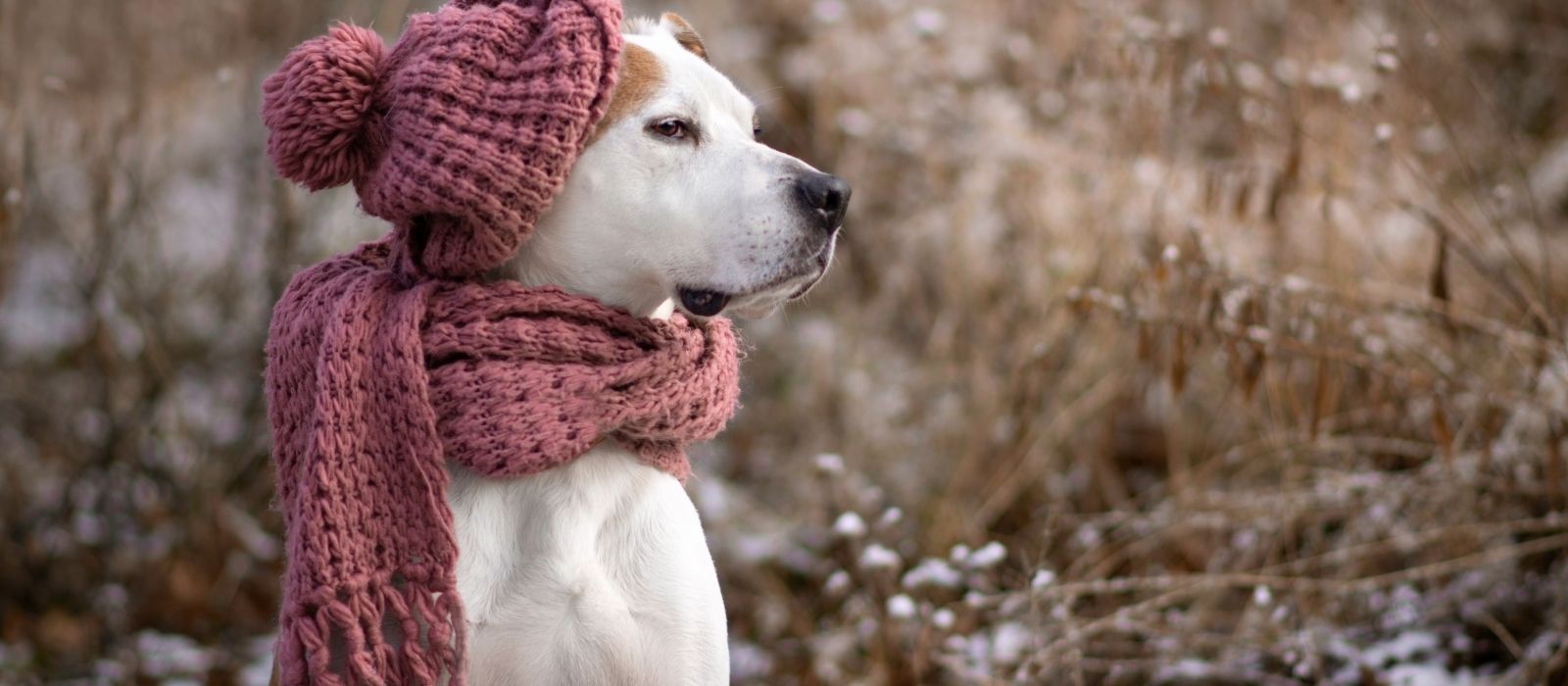
Dogs with very short coats — Whippets, Italian Greyhounds, most pit bull types — often need jackets when temperatures hit single digits above zero. Their skin is essentially exposed to the elements.
Regional Differences Across Canada Matter More Than You Think
Vancouver's winter rarely hits the extreme lows that make headlines, but the constant dampness creates a different kind of cold. Wet cold penetrates dog coats more effectively than dry cold. A -2°C day with rain in Vancouver can feel worse to your dog than -10°C on a sunny day in Calgary.
Prairie provinces deal with wind chill that changes the game completely. Manitoba and Saskatchewan regularly see wind chills that make -15°C feel like -30°C. Wind cuts through dog coats and steals body heat faster than still air at the same temperature.
Atlantic Canada combines both challenges — wet conditions and serious wind. Dogs in Halifax or St. John's often need protection at temperatures that wouldn't bother the same breed in drier climates.
The Warning Signs Your Dog Is Too Cold
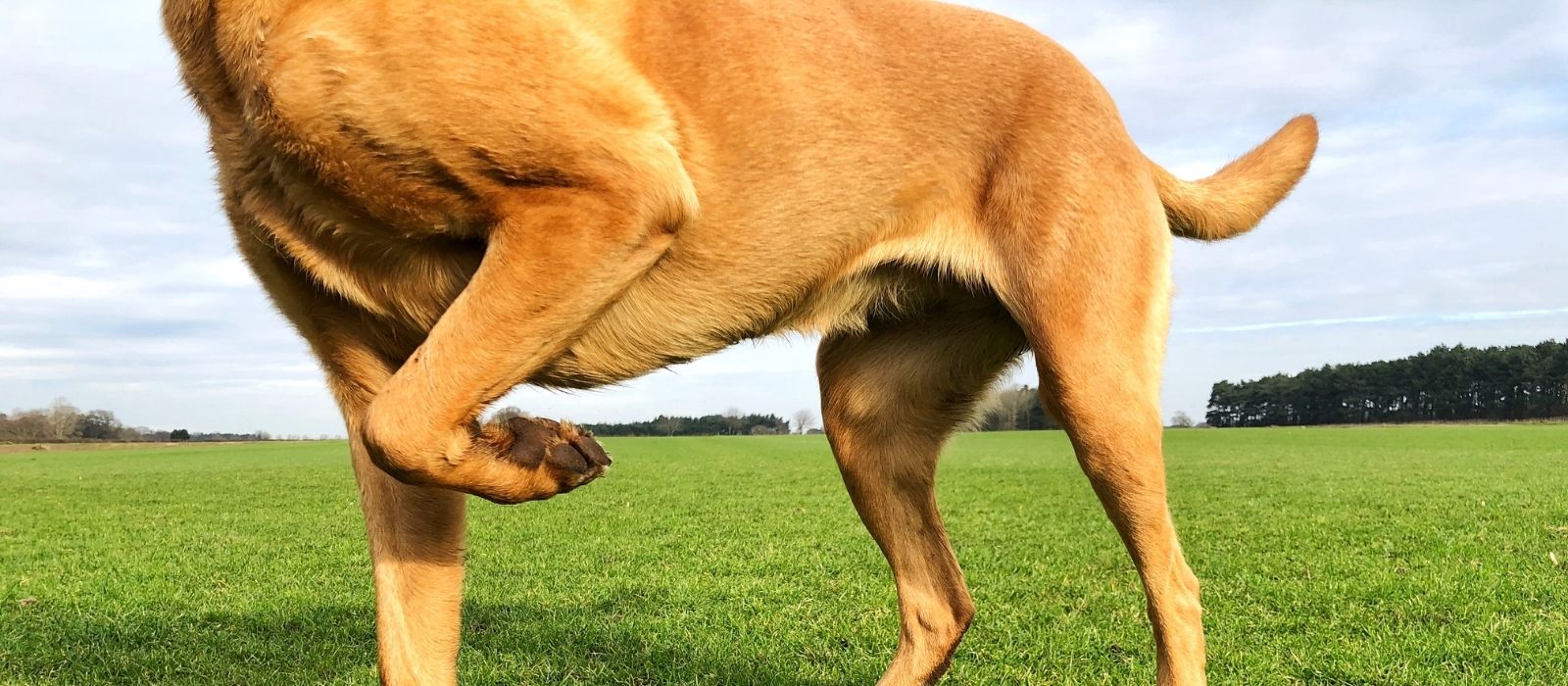
Shivering is the obvious first sign, but it's not the only one. Dogs will lift their paws repeatedly when the ground is too cold, almost like they're dancing. They'll also seek shelter, pressing against buildings or trying to turn back toward home.
More subtle signs include slowing down significantly, seeming anxious or whining, and holding their tail lower than normal. Some dogs will stop and refuse to move forward when they're getting genuinely cold.
The dangerous signs require immediate action. If your dog's breathing becomes shallow or laboured, if they seem confused or unsteady, or if their gums look pale or blue, you're dealing with hypothermia. Get them inside and warm immediately, and contact your vet if symptoms don't improve quickly.
Paw Protection Is Often More Important Than Body Warmth
Dog paws are tougher than human feet, but they're not invincible. Ice, snow, and especially road salt create problems that many dog owners underestimate. Rock salt used on most Canadian roads and sidewalks can burn paw pads and cause painful cracking.
Many dogs start favouring paws or limping before their body temperature becomes an issue. The combination of cold surfaces and chemical deicers makes paw protection often more urgent than body warmth.
Booties work for some dogs, but many hate them. Paw wax or balms provide protection without the bulk. Clean your dog's paws after every walk during salt season — the chemicals can cause irritation hours after exposure.
Age and Health Status Change Cold Tolerance Dramatically
Puppies and senior dogs have much less cold tolerance than healthy adults. Very young dogs can't regulate their body temperature effectively yet. Dogs over seven or eight years old often have circulation issues or arthritis that makes cold more uncomfortable and dangerous.
Dogs with health conditions need extra consideration. Heart conditions, diabetes, kidney disease, and arthritis all affect how well dogs handle temperature extremes. Many medications also impact circulation or temperature regulation.
If your dog takes regular medications or has ongoing health issues, ask your vet specifically about cold weather precautions. Senior dogs often need adjusted exercise routines during Canadian winters.
Indoor Alternatives When Outside Isn't Safe
Every Canadian dog owner needs backup plans for exercise during temperature extremes. Mental stimulation can tire dogs almost as much as physical activity, and it works regardless of weather.
Training sessions, puzzle toys, and hide-and-seek games burn energy indoors. Many dogs enjoy learning new tricks or practicing commands they already know. Food-dispensing toys can occupy dogs for extended periods.
Some cities have indoor dog parks or training facilities that rent space by the hour. Swimming facilities for dogs operate year-round in larger centres like Toronto, Vancouver, and Calgary. These options cost more than outdoor exercise but provide safe alternatives during weather extremes.
Breed-Specific Considerations for Canadian Winters
Arctic breeds genuinely enjoy cold weather that would endanger other dogs. Siberian Huskies, Alaskan Malamutes, and Canadian Eskimo Dogs were bred for extreme cold. They often prefer sleeping outdoors in snow to warm indoor spaces.
But even cold-weather breeds have limits. They need shelter from wind and precipitation. They need dry places to rest. And they can still get frostbite on ear tips, tails, and paw pads during extreme cold snaps.
Tropical breeds and those bred for warm climates need protection much earlier. Chihuahuas, Italian Greyhounds, Chinese Cresteds, and most toy breeds need coats when temperatures approach freezing. These dogs often need heated indoor spaces and very limited outdoor time during Canadian winters.
Making the Call on Any Given Day
Temperature alone doesn't tell the whole story. Wind, humidity, precipitation, and your dog's current health all factor into the decision. A dog recovering from illness needs more protection than the same dog in perfect health.
Start with shorter walks during borderline weather and watch your dog's response. You can always extend the walk if they're comfortable, but it's harder to fix problems once they develop. Trust your observations of your specific dog over general guidelines.
The Canadian Veterinary Medical Association emphasizes that owner judgment matters more than hard temperature rules. You know your dog's normal behaviour, energy level, and cold tolerance better than anyone else.
When in doubt, err on the side of caution. A day of indoor activities won't hurt your dog. Hypothermia or frostbite will. Canadian winters are long enough that you'll have plenty of opportunities for outdoor adventures when conditions improve.