
Your dog starts favoring one leg on the morning walk. By afternoon, they're barely putting weight on it. You're staring at your limping pup wondering if this needs a vet visit today or if you can wait until Monday.
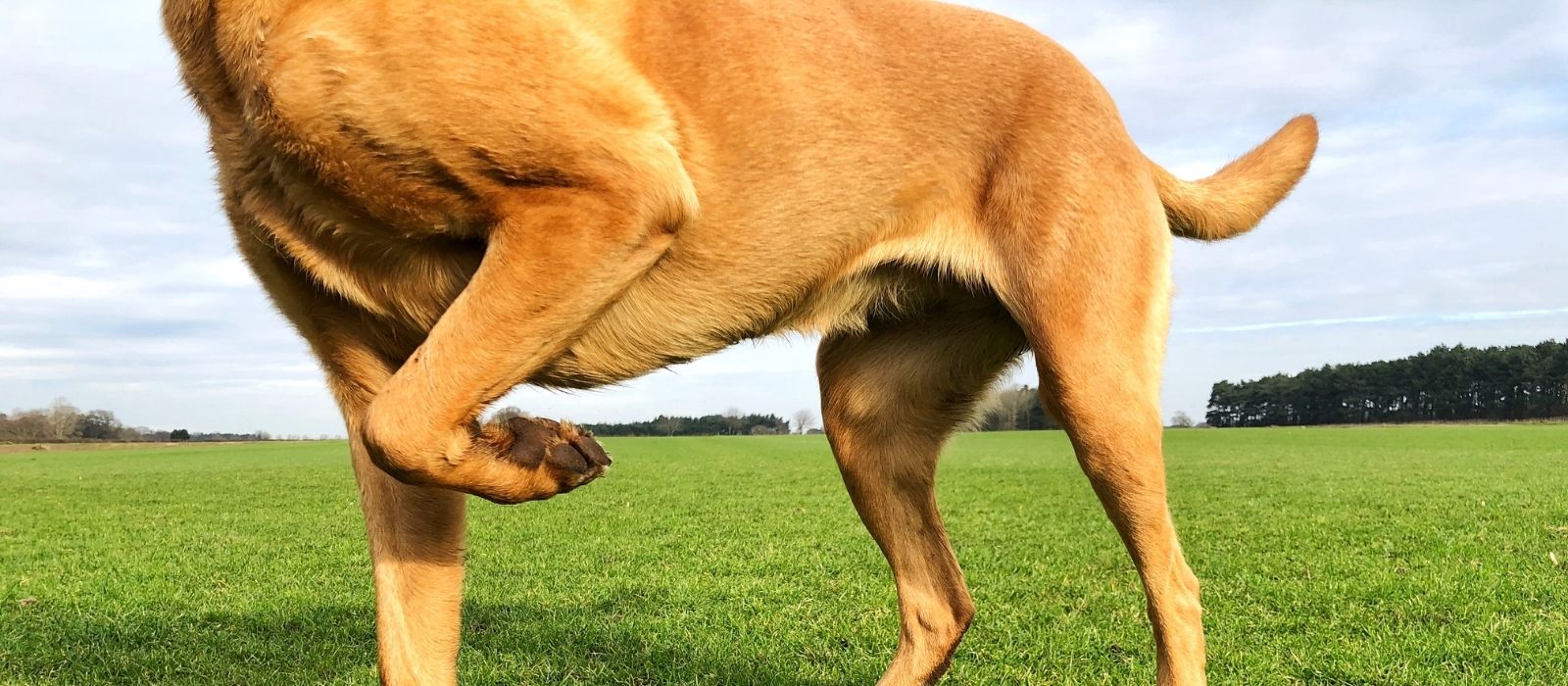
The answer depends on what you're seeing and how your dog is acting. Some limping situations need immediate attention, while others can wait a day or two with careful monitoring.
When Limping Means Emergency Vet Now
Certain signs mean you should head to the emergency clinic immediately, regardless of the time or day. If your dog won't put any weight on the leg at all, that's a red flag. Complete non-weight bearing often signals a fracture, severe sprain, or dislocation.
You'll also want urgent care if the limping came on suddenly after a fall, car accident, or fight with another animal. Visible deformity of the leg, bone showing through skin, or excessive bleeding around the paw needs immediate attention.
Signs of severe pain matter too. If your dog is panting heavily, whimpering constantly, or snapping when you try to examine the leg, don't wait. Some dogs hide pain well, but others will show you clearly when something's seriously wrong.
The 24-Hour Wait-and-See Approach
Many cases of limping can be monitored safely for a day if the signs aren't severe. Your dog might be putting some weight on the leg but clearly uncomfortable. Maybe they're walking but with an obvious limp, or they seem fine except when getting up from rest.
This type of limping often improves with rest. Keep your dog quiet for 24 hours — no walks beyond quick bathroom breaks, no running around the yard, no jumping on furniture. If the limp gets better during this rest period, you're probably dealing with a minor strain or bruise.
But set a mental deadline. If there's no improvement after 24 hours of rest, or if the limping gets worse, it's time for a vet visit.
What You Can Do at Home First
Start with a gentle examination if your dog will tolerate it. Run your hands along the affected leg, feeling for heat, swelling, or obvious pain points. Check between the toes for thorns, cuts, or embedded objects. Sometimes a simple thorn removal solves the whole problem.
Look at the paw pads for cuts, cracks, or foreign objects. Winter road salt can cause chemical burns on pads, especially common in Toronto and other cities that heavily salt sidewalks. Summer hot pavement in places like Calgary can burn paw pads too.
Cold therapy helps with acute injuries. Wrap a bag of frozen peas in a thin towel and apply it to the affected area for 10-15 minutes at a time. Don't apply ice directly to skin, and don't force it if your dog won't cooperate.
Age Makes a Difference in Urgency
Puppies and senior dogs need faster attention when limping. Young dogs have softer bones that can be injured more easily, and they're notorious for getting into situations that cause trauma. If a puppy under six months is limping, many vets recommend same-day evaluation.
Senior dogs often have underlying arthritis that can mask more serious injuries. A 12-year-old dog that's been managing mild arthritis might not show obvious distress even with a significant injury. Their pain tolerance is different, and they're more prone to complications.
Adult dogs between two and eight years old can often wait 24 hours for evaluation if they're showing mild signs and the limping isn't severe.
Common Causes You Can Spot
Paw injuries are surprisingly common and often visible. Check for cracked or torn nails, which can be painful but usually aren't emergencies. Foreign objects like glass, thorns, or ice balls between toes cause obvious limping that often resolves once removed.
Muscle strains happen frequently in active dogs, especially those who go from couch potato to weekend warrior. The dog who barely walks all week then runs for two hours at the dog park often pays for it with sore muscles. These typically improve with rest.
In older dogs, arthritis flares can cause sudden worsening of chronic low-grade limping. Cold, damp weather often triggers these episodes, which is relevant for much of Canada's climate. The limping might be worse in the morning and improve as they warm up.
Red Flags That Change Everything
Watch for signs that suggest something more serious is happening. If your limping dog also seems lethargic, won't eat, or has a fever, the problem might be systemic. Bone infections or immune-mediated conditions can start with limping.
Limping that shifts from leg to leg is unusual and often signals something beyond a simple injury. This pattern sometimes indicates tick-borne diseases, which are increasingly common across Canada as tick populations expand.
Any limping combined with vomiting, diarrhea, or difficulty breathing needs immediate attention. These combinations suggest either toxin ingestion or more complex medical problems.
What Your Vet Will Actually Do
Understanding the vet's approach can help you decide about timing. Most vets start with a thorough physical examination, manipulating the leg to assess range of motion and pain response. They'll check for swelling, heat, and structural abnormalities.
X-rays are common for persistent limping, especially if trauma is suspected. In major cities like Vancouver or Montreal, emergency clinics often have digital X-ray equipment that provides immediate results. Regular vet clinics might need to send films out for reading, which can delay diagnosis.
Treatment varies widely based on the cause. Simple strains might just need pain medication and rest instructions. More complex issues could require referral to veterinary orthopedic specialists, though these are mainly available in larger cities across Canada.
The Cost Reality Check
Emergency vet visits typically cost more than regular appointments, but the exact amount varies significantly by location and clinic. Many emergency clinics charge examination fees that are higher than regular vet visits, and diagnostic tests like X-rays add to the total.
If cost is a concern but you're worried about your dog, call the clinic first. Many vets can give you guidance over the phone about whether the situation sounds urgent. Some will let you describe the symptoms and help you decide if it can wait until regular hours.
Pet insurance can help with unexpected orthopedic issues, though most policies have waiting periods for coverage to begin. For immediate costs, some clinics offer payment plans or accept pet-specific credit cards.
Prevention Worth Considering
Many limping episodes can be prevented with thoughtful management. Keep your dog at a healthy weight — extra pounds stress joints and increase injury risk. Senior dogs especially benefit from weight management as they become less active.
Gradual conditioning prevents many exercise-related injuries. Don't let your dog go from sedentary to intense activity without building up slowly. This is particularly relevant for Canadian dogs who might be less active during harsh winter months.
Regular nail trims prevent many paw-related limping issues. Long nails can catch on things or force dogs to walk abnormally, leading to strain injuries. Knowing when situations require emergency care helps you make confident decisions when limping occurs.
Check the Canadian Veterinary Medical Association website for resources on finding emergency veterinary care in your area. Most provinces maintain lists of after-hours clinics and contact information for urgent situations.
Trust your instincts about your dog's condition. You know their normal behavior better than anyone. If something feels seriously wrong, don't second-guess yourself about seeking care. Most vets would rather see a dog with minor limping than miss a serious injury that worsens with delay.