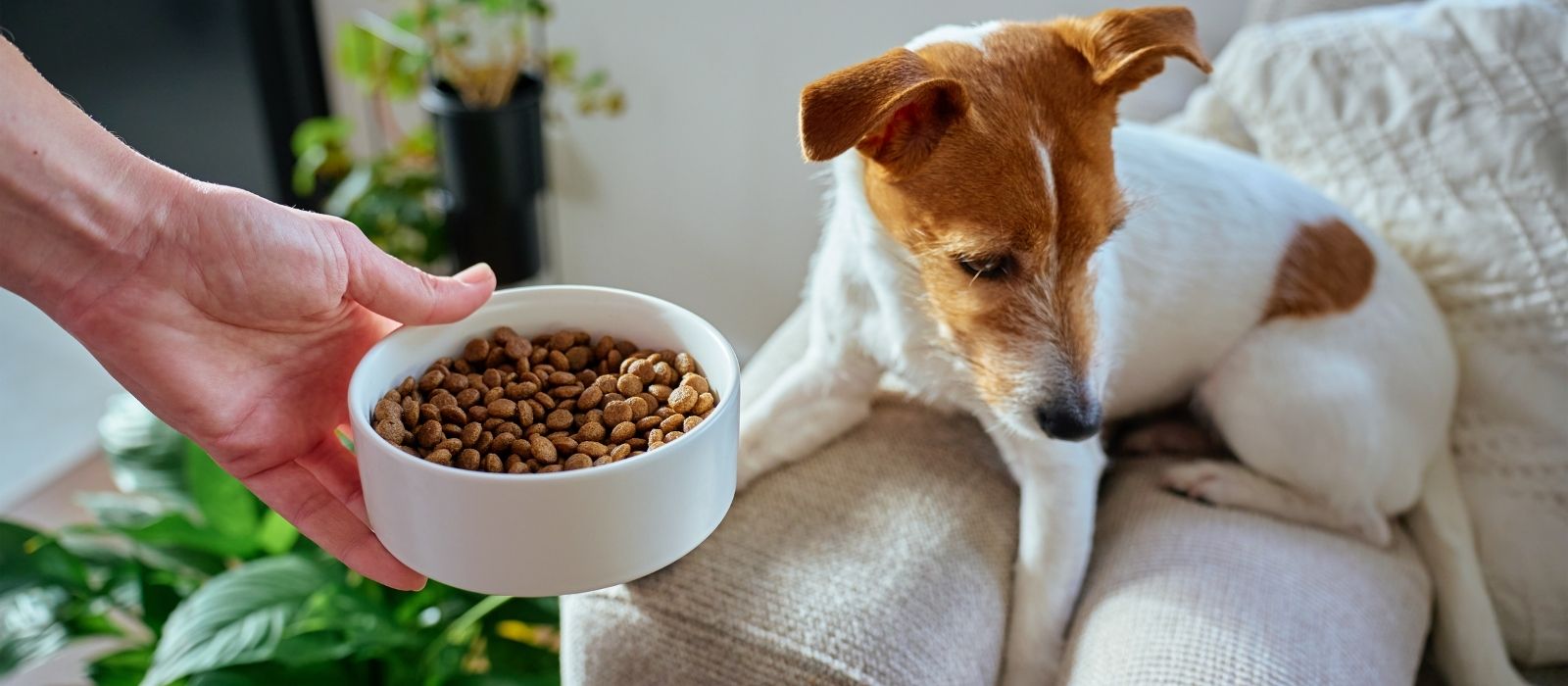

Your dog skipped breakfast this morning. Now you're standing in the kitchen, staring at a full food bowl, wondering if this is the beginning of something serious or just another Tuesday in dog ownership.
Most dogs miss meals occasionally without it meaning anything. But knowing when "picky eating" crosses into "vet visit territory" can save you both panic and potentially your dog's life.
The 24-Hour Rule (And When It Doesn't Apply)
A healthy adult dog can safely skip meals for 24 hours without medical concern. Their bodies handle short fasts better than ours do. But this rule has important exceptions.
Puppies under six months can't fast safely. Their blood sugar drops too quickly. Same goes for diabetic dogs, seniors with health conditions, and toy breeds prone to hypoglycemia. If your Chihuahua or Yorkshire Terrier refuses two meals in a row, call your vet.
For most adult dogs, though, you're looking at appetite changes alongside other symptoms. A dog who won't eat but acts normal otherwise gets a different response than one showing lethargy or vomiting.
Red Flags That Mean "Call Now"
Some combinations of symptoms don't wait for the 24-hour mark. If your dog won't eat and shows any of these, contact your vet immediately:
Vomiting or dry heaving, especially if the stomach looks bloated. This could signal gastric dilation-volvulus, a life-threatening emergency more common in large, deep-chested breeds. Labrador Retrievers, German Shepherds, and Great Danes face higher risk.
Lethargy combined with pale gums. Press your finger against your dog's gums — they should return to pink within two seconds. Slow color return plus weakness suggests serious problems.
Difficulty breathing, excessive drooling, or signs of pain like hunched posture. Dogs hide discomfort well, so obvious pain signals typically indicate severe issues.
The Sneaky Reasons Dogs Stop Eating
Sometimes the cause isn't medical at all. Dogs are creatures of routine, and small changes throw them off more than we realize.
Food temperature matters more than most owners know. Many dogs prefer room temperature food over cold kibble straight from storage. If you store dry food in the garage during Alberta winters, try bringing it inside for an hour before feeding.
Bowl location changes can trigger food strikes too. Moving the food bowl even a few feet sometimes confuses dogs enough that they won't eat. Anxiety around meal time develops from things like construction noise, new pets, or family schedule changes.
Senior dogs often develop preferences for softer textures as their teeth age. What looked like sudden pickiness might actually be jaw pain or loose teeth making hard kibble uncomfortable.
Medical Causes You Can't See
Internal problems often show appetite loss as the first symptom. Gastrointestinal issues top the list — everything from mild gastritis to intestinal blockages starts with dogs refusing food.
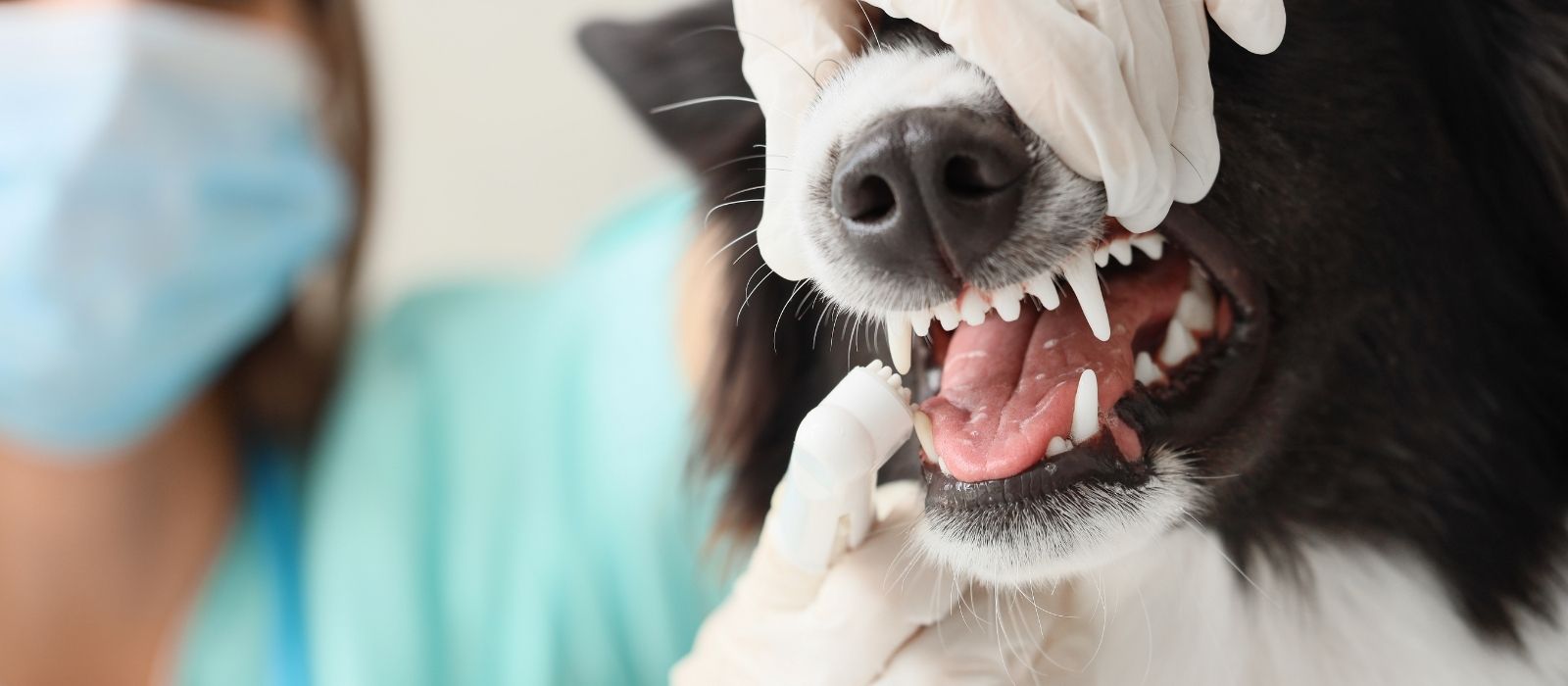
Dental disease affects appetite more than owners typically realize. Broken teeth, gum infections, or oral tumors make eating painful. Dogs won't necessarily paw at their mouths or show obvious discomfort.
Medication side effects frequently suppress appetite. Antibiotics, pain medications, and anti-inflammatories commonly cause nausea or food aversion. If your dog started new medications recently and stopped eating, mention this connection to your vet.
Liver and kidney problems also present as appetite loss. These conditions develop gradually, so you might notice subtle changes in eating patterns before other symptoms appear.
What Counts as "Not Eating"
Dogs show food refusal differently than complete meal skipping. Some eat treats but won't touch kibble. Others pick at food throughout the day instead of eating full meals. Both patterns warrant attention if they're new behaviors.
Partial eating counts too. If your dog typically finishes meals quickly but suddenly leaves half the bowl full for several days, something changed. Environmental factors, health issues, or food quality problems could all play roles.
Track patterns rather than single incidents. Dogs who occasionally leave food but return to normal eating patterns the next day usually aren't sick. Consistent changes over multiple days need investigation.
The Vet Visit: What to Expect
When you do call your vet, they'll want specific information. How long has the appetite loss lasted? Any other symptoms, even subtle ones? Recent changes in routine, environment, or household?
Bring a fresh stool sample if possible. Digestive issues often show up in waste before other symptoms develop. Your vet can run quick tests that reveal parasites, bacterial infections, or digestive problems.
Veterinary visits for appetite issues in Canada typically cost between $150-400 depending on required tests. Basic examinations run around $80-120 in most provinces, while blood work adds another $100-200. Diagnostic costs vary significantly between urban and rural clinics, with Toronto and Vancouver commanding higher fees than smaller communities.
Home Strategies That Actually Work
While waiting to see if appetite returns naturally, try simple changes before more dramatic interventions. Warm the food slightly — not hot, just room temperature or barely warm. Many dogs find warmed food more appealing.
Remove the bowl after 20 minutes whether they've eaten or not. This prevents grazing behavior and helps reestablish regular meal times. Free-feeding often creates picky eating habits that turn minor appetite dips into major food battles.
Sometimes adding a small amount of low-sodium chicken broth or plain white rice helps. But avoid rich additions like cheese or meat if you suspect stomach upset. These additions can worsen digestive issues.
Hand-feeding occasionally works for anxious dogs. The personal attention and reduced pressure sometimes break through temporary food aversions. Don't make this a permanent solution, though.
When Waiting Makes Sense
Healthy adult dogs who act normal otherwise can safely skip meals for 24-48 hours. If your dog drinks water normally, has regular bowel movements, and shows typical energy levels, waiting often resolves the issue naturally.
Weather changes affect some dogs' appetites. Hot summer days in provinces like Saskatchewan or Manitoba sometimes reduce food interest. Dogs compensate by eating more during cooler evening hours.
Stress-related appetite loss usually resolves once the trigger disappears. House guests, construction noise, or schedule changes often cause temporary food strikes that correct themselves within a few days.
Prevention Beats Panic
Regular vet checkups catch developing problems before they affect appetite. Annual examinations for adult dogs and twice-yearly visits for seniors help identify issues early.
Establishing consistent meal routines makes appetite changes more obvious. Dogs who normally eat enthusiastically but suddenly show disinterest signal potential problems more clearly when their baseline behavior is predictable.
Keep track of your dog's normal eating patterns. Some dogs naturally eat less during certain seasons or life stages. Knowing what's normal for your specific dog helps distinguish concerning changes from natural variations.
Most appetite issues resolve quickly with either time or simple interventions. But trust your instincts — you know your dog better than anyone. When something feels wrong, it's worth a phone call to your vet. Early intervention often prevents minor problems from becoming major emergencies.