
Your vet just scheduled your dog for dental cleaning under anesthesia and you're wondering what actually happens during those few hours. It's not just a quick scrub — there's a detailed process that keeps your dog safe while giving their teeth a thorough clean that's impossible when they're awake.
Here's exactly what happens from the moment you drop off your pup to when you pick them up with sparkly teeth.
Pre-Anesthetic Exam and Blood Work
Most Canadian veterinary clinics start with blood work, especially for dogs over seven years old. Your vet checks liver and kidney function since these organs process the anesthesia. They'll also listen to your dog's heart and lungs one more time.
Some clinics do this blood work days ahead, others the morning of the procedure. Vancouver and Toronto clinics often require it 24-48 hours early, while smaller practices might do it the same day. The blood work typically costs $80-150 depending on which panels they run.
If anything looks off in the blood work, they'll call you. Sometimes they'll adjust the anesthesia protocol or postpone the cleaning entirely.
Getting Your Dog Ready for Anesthesia
Your dog gets weighed again — anesthesia doses are calculated precisely based on current weight. The vet tech places an IV catheter, usually in the front leg. This stays in throughout the procedure for emergency drug access and fluid support.
Pre-medication comes next. Most vets give a combination of drugs that reduce anxiety, provide pain relief, and make the anesthesia induction smoother. Your dog might get a bit drowsy at this point, which is completely normal.
The whole prep process takes about 15-20 minutes. Some dogs handle the IV placement better than others — don't worry if your pup needs a little extra comfort from the staff.
Anesthesia Induction
Here's where your dog goes to sleep. The veterinarian injects anesthesia through the IV line — it works within 30-60 seconds. Your dog's eyes might stay open (that's normal under anesthesia), but they're completely unconscious.
The vet immediately places a breathing tube down your dog's throat. This connects to the anesthesia machine that delivers oxygen mixed with anesthetic gas throughout the procedure. The tube also protects their airway from water and debris during cleaning.
A veterinary technician monitors vital signs constantly. They're watching heart rate, blood pressure, oxygen levels, and breathing patterns on digital monitors. Ontario veterinary colleges require specific monitoring protocols that most clinics across Canada follow.
The Actual Dental Cleaning Process
With your dog safely under, the real work begins. The technician positions your dog on their side with their head slightly elevated. They'll often place towels or padding for comfort and positioning.
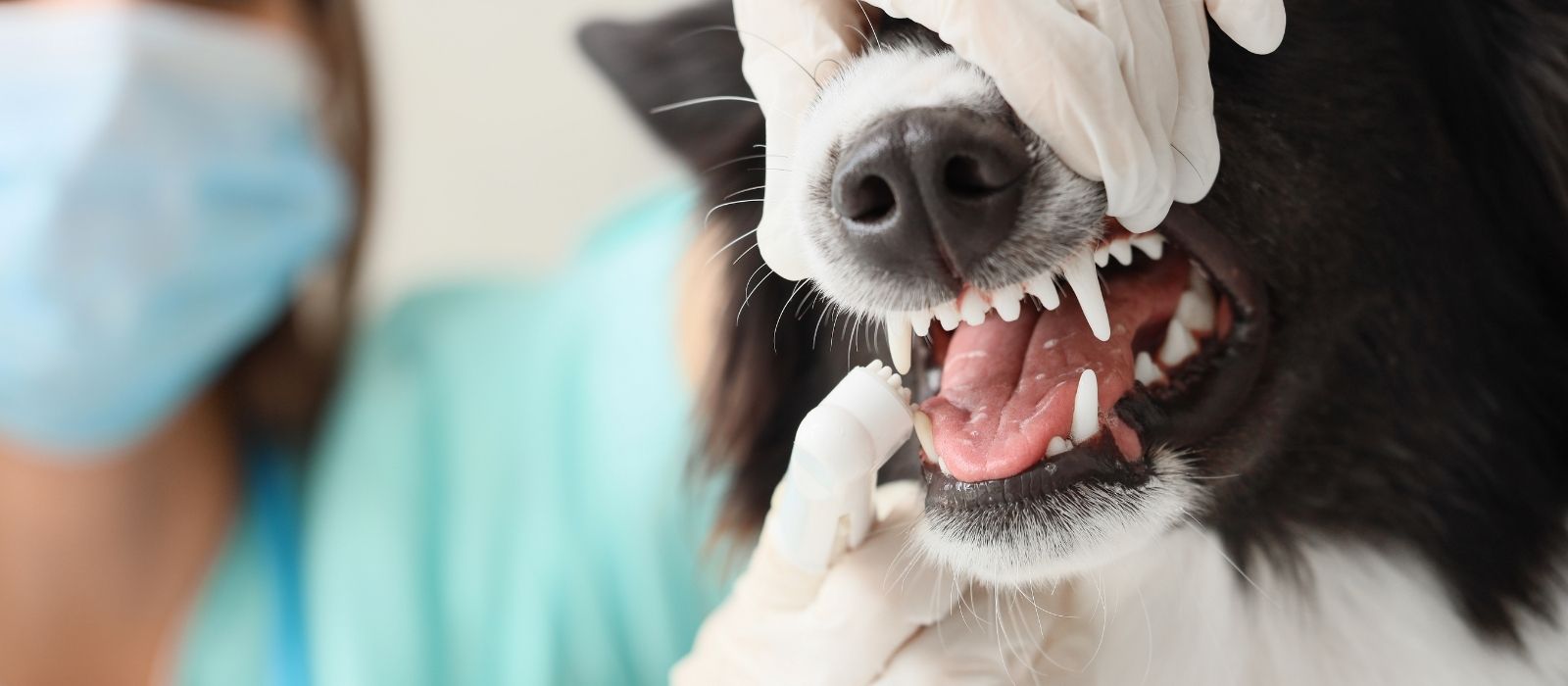
First comes the ultrasonic scaling. This tool uses high-frequency vibrations to break apart tartar both above and below the gum line. The technician works methodically around each tooth, paying special attention to the back molars where tartar builds up worst.
Water constantly flushes the mouth during scaling, which is why the breathing tube is so important. The procedure would be impossible without anesthesia — no awake dog would tolerate this level of manipulation.
Hand scaling comes next for stubborn tartar the ultrasonic scaler missed. The technician uses specialized dental instruments to carefully remove deposits from tooth surfaces and gum pockets.
Polishing and Assessment
After all tartar is removed, each tooth gets polished with a special paste. This smooths microscopic scratches left by scaling, making it harder for new plaque to stick. The polishing takes another 10-15 minutes depending on your dog's mouth size.
The veterinarian does a complete oral exam at this point. They're looking for cracked teeth, root exposure, oral masses, or other problems that weren't visible under all that tartar. Sometimes they'll find issues that require immediate attention.
If extractions are needed, most vets will call you first unless you've given blanket consent. Extraction adds 30-60 minutes per tooth and additional costs. Dental cleaning costs in Canada can increase significantly if multiple extractions are required.
Dental X-Rays When Necessary
Many veterinary practices now include dental X-rays as standard. These show problems below the gum line that aren't visible during the exam. Root abscesses, bone loss, and retained root tips only show up on X-rays.
The X-ray process adds about 15-20 minutes to the procedure. Your dog stays under anesthesia while the technician positions digital sensors in their mouth and takes multiple angles of each tooth.
Not every clinic includes X-rays automatically. Calgary and Edmonton practices often make them optional, while Vancouver clinics increasingly include them in standard dental packages.
Waking Up from Anesthesia
When the dental work is finished, the anesthesia stops but your dog doesn't wake up immediately. The veterinarian removes the breathing tube once your dog starts swallowing reflexively — a sign they're regaining consciousness.
Recovery happens in a quiet, warm area. Your dog will be groggy and unsteady for 30-60 minutes. The staff monitors them closely during this vulnerable period, checking that they're waking up normally and maintaining their body temperature.
Some dogs wake up anxious or disoriented. Others are surprisingly calm. Both reactions are normal. The IV line usually stays in until your dog is fully alert and walking steadily.
Post-Procedure Monitoring
Most dogs can go home the same day, typically 2-4 hours after the procedure ends. The staff wants to see your dog drinking water and walking without stumbling before discharge.
You'll get detailed instructions about feeding, activity restrictions, and what to watch for. Some dogs need soft food for a few days, especially if they had extractions. Pain medication might be prescribed depending on what was done.
The veterinarian will call if they found anything concerning during the exam. They'll also schedule follow-up appointments if needed. Signs your dog needs veterinary attention after dental procedures are usually obvious — excessive drooling, not eating, or seeming painful.
According to the Canadian Veterinary Medical Association, professional dental cleanings under anesthesia remain the gold standard for canine oral health. The entire process typically takes 45-90 minutes depending on your dog's needs, with most of that time spent on careful, thorough cleaning that's impossible to achieve any other way.
Your dog won't remember any of it, but their teeth will feel completely different. That's the whole point — giving them the deep clean their mouth needs while keeping the experience stress-free.