Your dog's stomach can twist and fill with gas in under two hours, cutting off blood flow and turning a normal evening into a life-threatening emergency. This condition, called gastric dilatation-volvulus or GDV, kills dogs faster than most owners realize it's happening.
Here's what you need to recognize, do, and expect when bloat strikes your dog.
What Exactly Happens During Bloat
Bloat starts when your dog's stomach fills with gas, food, or liquid and expands like a balloon. That's the dilatation part. The real danger comes when the swollen stomach rotates and twists, trapping everything inside. This rotation cuts off blood flow to the stomach and spleen.
Within hours, tissue starts dying. The pressure builds so much that it compresses major blood vessels, sending your dog into shock. Without emergency surgery, most dogs die within four to six hours of the twist happening.
Large, deep-chested breeds face the highest risk. Great Danes have a 42% lifetime chance of developing GDV according to veterinary studies. German Shepherds, Standard Poodles, and Weimaraners also rank high on the risk list.
The Warning Signs You Can't Miss
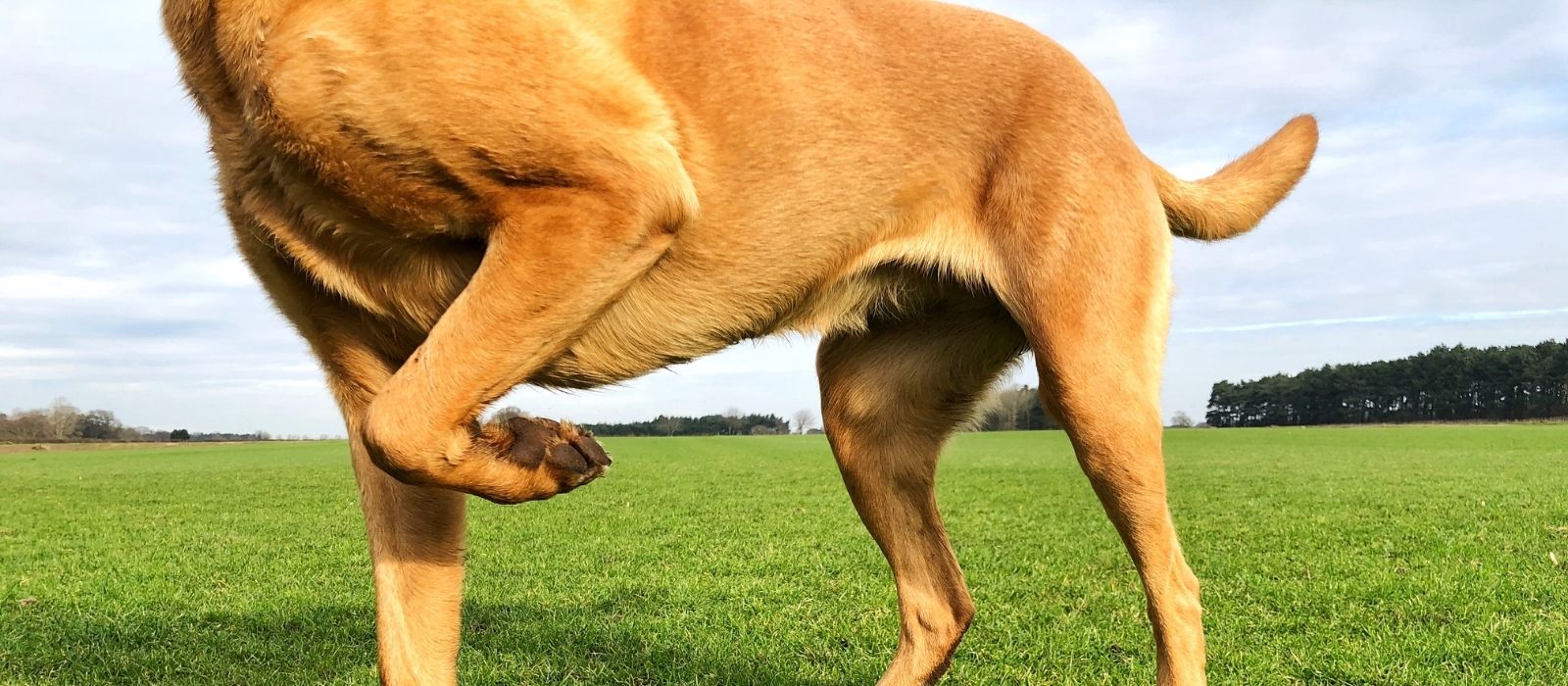
Your dog will show you something's wrong, but the signs can be subtle at first. Watch for restlessness and pacing, especially right after eating. Dogs with early bloat often stretch into a "prayer position" with their front legs down and rear end up.
The classic symptom is retching without producing anything. Your dog tries to vomit but only brings up white foam or nothing at all. Their abdomen starts looking swollen and feels tight like a drum when you tap it.
As the condition progresses, you'll see drooling, rapid breathing, and pale gums. Many dogs become anxious and can't get comfortable. They'll lie down, get up, pace, then repeat the cycle.
Why Time Matters More Than Everything Else
The survival rate drops drastically with each passing hour. Dogs treated within two hours of symptom onset have survival rates around 90%. Wait six hours, and that number falls to less than 50%.
This isn't a condition where you watch and wait overnight. The window for successful treatment is narrow, and there's no way to predict how fast your individual dog will deteriorate. Some dogs go from first symptoms to shock in under an hour.
Emergency veterinarians across Canada consistently report that early presentation makes the biggest difference in outcomes. The dogs that arrive within the first few hours typically recover completely. The ones brought in after a full night of symptoms often don't make it home.
Emergency Treatment: What Happens at the Vet
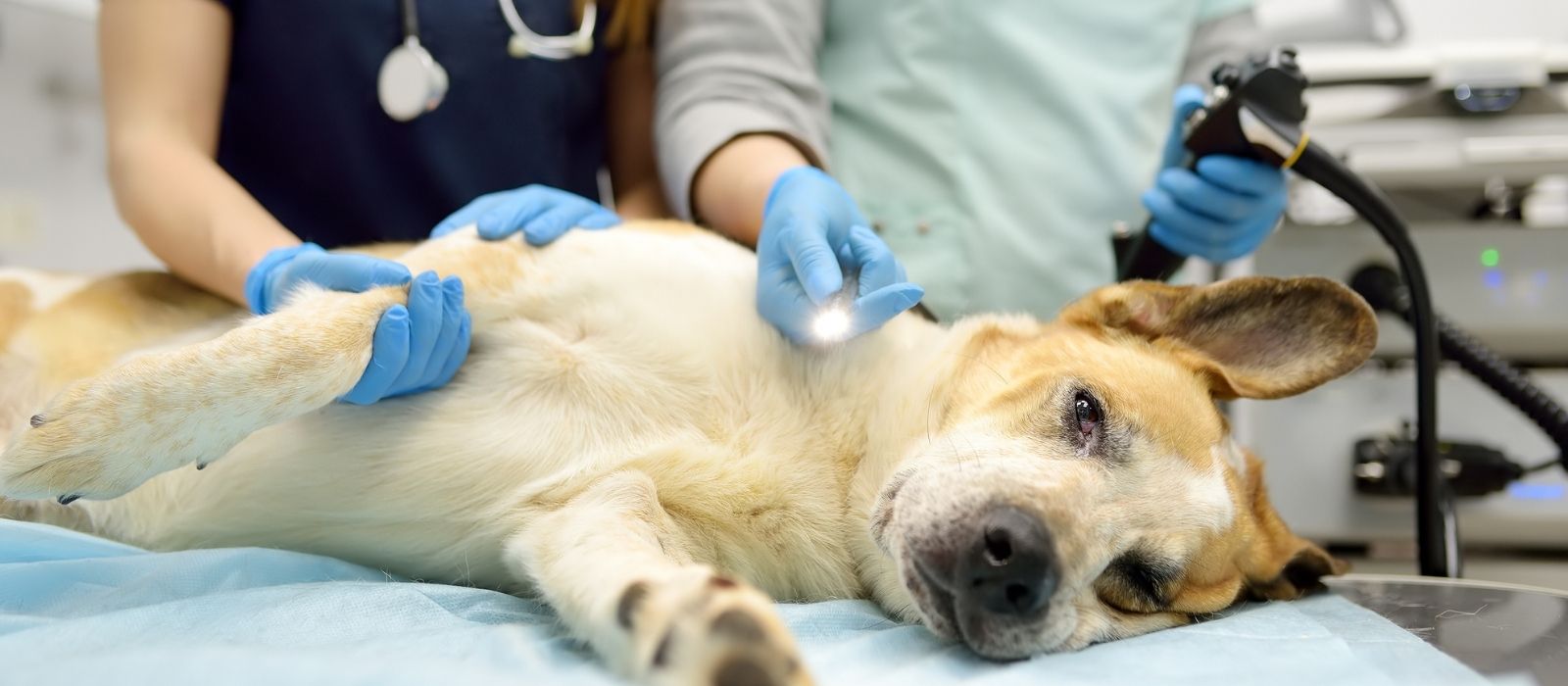
Your vet will confirm bloat with X-rays that show the twisted stomach's distinctive "double bubble" appearance. If the stomach has twisted, surgery is the only option. The procedure, called gastropexy, involves untwisting the stomach and tacking it to the abdominal wall to prevent future rotation.
Surgery costs vary significantly by location and complexity. Emergency veterinary hospitals in Toronto typically charge between $3,000-$6,000 for GDV surgery, while smaller centers in rural areas might charge $2,000-$4,000. The price includes anesthesia, surgical time, overnight monitoring, and post-operative care.
If you catch it early enough, before the twist occurs, your vet might try releasing gas with a stomach tube. This works for simple dilatation but won't help once rotation happens.
Which Dogs Face the Highest Risk
Size and body shape matter most. Dogs weighing over 50 pounds with deep, narrow chests have the greatest risk. The Canadian Veterinary Medical Association notes that Giant breeds are seven times more likely to develop GDV than smaller dogs.
Age plays a role too. Most cases happen in dogs between seven and twelve years old, though younger dogs aren't immune. Males develop bloat slightly more often than females, and dogs with anxious personalities seem more prone to the condition.
Fast eating increases risk significantly. Dogs who gulp their food, eat one large meal daily, or exercise immediately after eating face higher odds. Stress and major life changes can also trigger episodes in susceptible dogs.
Prevention Strategies That Actually Work
Feed smaller, more frequent meals instead of one large portion. Two or three meals daily reduces stomach volume and pressure compared to once-daily feeding. Many owners find that elevated food bowls help, though recent studies question whether bowl height affects risk.
Slow down fast eaters with puzzle feeders or food-dispensing toys. These devices force dogs to work for their food, naturally slowing consumption. You can also scatter kibble across the floor or use a muffin tin with food in each cup.
Avoid exercise for at least two hours after meals. This includes both vigorous play and long walks. Light activity is fine, but save the intense games and runs for between meals.
Consider preventive surgery for high-risk breeds. Prophylactic gastropexy during spay or neuter surgery costs much less than emergency treatment and eliminates the risk of stomach rotation. Many veterinarians recommend this for Great Danes, German Shepherds, and other prone breeds.
The Cost Reality of Emergency Treatment
Emergency GDV surgery represents one of the most expensive veterinary procedures. Beyond the initial surgery, dogs often need several days of hospitalization, pain management, and monitoring for complications. Total costs including follow-up care typically range from $4,000-$8,000 in major Canadian cities.
Complications can drive costs even higher. If portions of the stomach or spleen have died and need removal, surgery becomes more complex and expensive. Post-operative issues like infection or poor healing extend hospital stays and add to the bill.
Many pet insurance policies cover GDV treatment since it's considered an emergency condition rather than a pre-existing problem. However, [pet insurance policies in Canada](/blog/is-pet-insurance-worth-it-canada) vary widely in their coverage limits and deductibles for emergency procedures.
What Happens After Surgery
Recovery takes several weeks, and most dogs do well long-term. The gastropexy procedure prevents future stomach rotation, though dogs can still develop simple bloat without the dangerous twist. Your vet will recommend continuing the feeding and exercise modifications that help prevent recurrence.
Some dogs develop minor complications like wound infections or temporary digestive upset. Serious long-term problems are uncommon when surgery happens quickly. The key is recognizing symptoms early and getting to [emergency veterinary care](/blog/when-to-go-to-emergency-vet) within that critical two-hour window.
Dogs who survive GDV surgery typically return to normal activity levels within a month. The tacking procedure doesn't limit their lifestyle, and many owners report feeling much more confident about their dog's long-term health knowing the stomach can't twist again.