
Raw food diets for dogs have gained serious traction among Canadian pet owners, but they come with legal complexities and divided veterinary opinions that most people don't expect. While you can legally feed your dog a raw diet in Canada, the regulations around commercial raw pet food are stricter than in many other countries, and vets remain split on whether the benefits outweigh the risks.
Let's break down what you need to know about raw feeding in Canada, from legal requirements to veterinary concerns to practical considerations for different provinces.
Legal Status of Raw Dog Food in Canada
Canada allows raw pet food sales, but with more restrictions than the US or some European countries. The Canadian Food Inspection Agency (CFIA) regulates commercial raw pet foods as "novel feeds," meaning they require pre-market approval and ongoing compliance.
You can legally buy frozen raw dog food from pet stores across Canada. However, many small raw food producers can't meet CFIA requirements, so your options are often limited to larger companies like Big Country Raw, Iron Will Raw, or Carnivora. These brands have navigated the approval process and maintain the required safety protocols.
Making raw food at home for your own dog is completely legal. The restrictions only apply to commercial production and sale. Many Canadian dog owners who feed raw actually prepare meals themselves, sourcing ingredients from local butchers and farms.
What Canadian Vets Actually Say
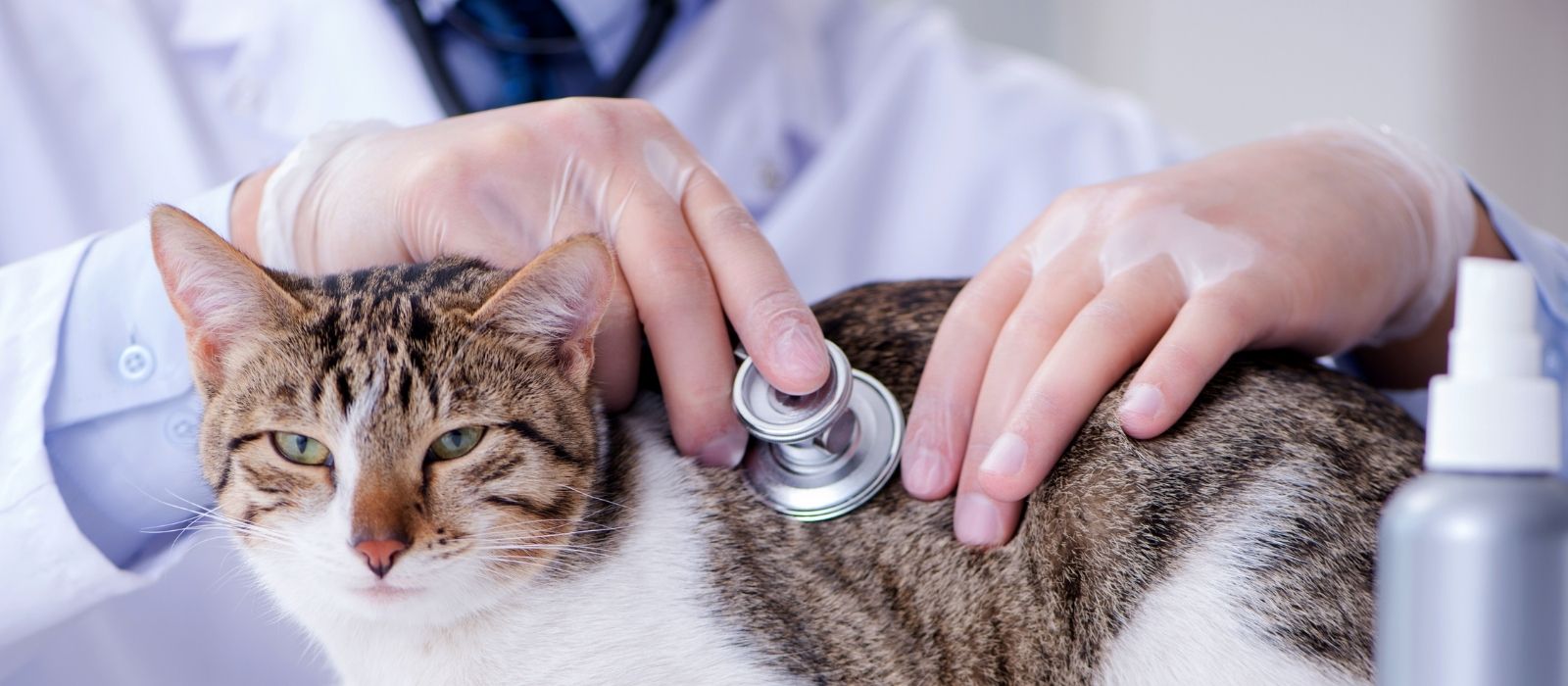
The veterinary community in Canada is notably divided on raw feeding. The Canadian Veterinary Medical Association doesn't officially endorse raw diets, but they also don't prohibit vets from supporting them.
Many traditional veterinarians express concern about bacterial contamination and nutritional imbalances. Dr. Sarah Chen, who practices in Vancouver, often sees owners who've created nutritionally incomplete raw diets, leading to deficiencies in growing puppies.
But holistic and integrative veterinarians across Canada increasingly support properly balanced raw diets. Several veterinary practices in Toronto and Calgary now offer raw feeding consultations and work with pet owners to create balanced meal plans.
The key difference isn't whether raw food is good or bad — it's whether owners understand proper preparation, storage, and nutritional balance. Most veterinary concerns stem from poorly planned raw diets rather than the concept itself.
Provincial Differences You Should Know
Raw feeding experiences vary significantly across Canadian provinces due to climate and local regulations. British Columbia and Alberta have thriving raw pet food scenes, with multiple local producers and supportive veterinary networks.
Quebec has been slower to embrace raw feeding, partly due to stricter provincial food safety interpretations. Ontario falls somewhere in the middle, with good availability in major cities but less support in rural areas.
Climate plays a practical role too. Prairie provinces deal with extreme winter temperatures that can complicate raw food storage and transport. Maritime provinces often have higher costs due to shipping frozen products long distances.
Urban versus rural access differs dramatically. Vancouver and Toronto offer multiple raw food suppliers and knowledgeable pet stores. Rural Saskatchewan might have one supplier within driving distance.
Cost Reality Across Canadian Cities
Raw feeding costs vary dramatically depending on your approach and location. Commercial frozen raw typically costs more than premium kibble but less than many people expect.
In Toronto, frozen raw from established brands often runs $3-5 per pound, meaning a 60-pound dog might cost $200-300 monthly to feed. Vancouver prices are similar, while Calgary tends to run slightly less due to proximity to processing facilities.
Home preparation can reduce costs significantly if you source ingredients smartly. Many Canadian raw feeders develop relationships with local butchers, buying in bulk when meat goes on sale. Organ meats and bones are often inexpensive or free from cooperative butchers.
The upfront investment includes freezer space and possibly a meat grinder. But ongoing costs can actually be lower than premium commercial dog food if you're strategic about sourcing.
Safety Protocols Canadian Vets Recommend
Canadian veterinarians who support raw feeding emphasize strict safety protocols. Bacterial contamination isn't theoretical — it's a real risk that requires careful handling.
Proper storage means maintaining frozen temperatures until serving, with minimal thaw time. Many vets recommend separate cutting boards and utensils for raw dog food preparation, plus thorough sanitization afterward.
Source quality matters enormously. Several Canadian raw food companies test their products for pathogens and provide certificates of analysis. Home preparers should source from reputable suppliers who understand the intended use.
Immunocompromised dogs, puppies under 16 weeks, and senior dogs with health issues may not be good candidates for raw diets. The bacterial load that healthy adult dogs handle easily can overwhelm vulnerable animals.
Hand hygiene becomes critical. Family members need to wash thoroughly after handling raw dog food, and children should be supervised around feeding areas.
Nutritional Balance Requirements
The biggest veterinary concern isn't food safety — it's nutritional adequacy. Dogs need specific ratios of calcium to phosphorus, proper amino acid profiles, and adequate vitamins and minerals.
Commercial raw foods sold in Canada must meet AAFCO nutritional standards, but homemade raw diets often don't. Many well-meaning owners create calcium-deficient diets or miss crucial nutrients like zinc or vitamin E.
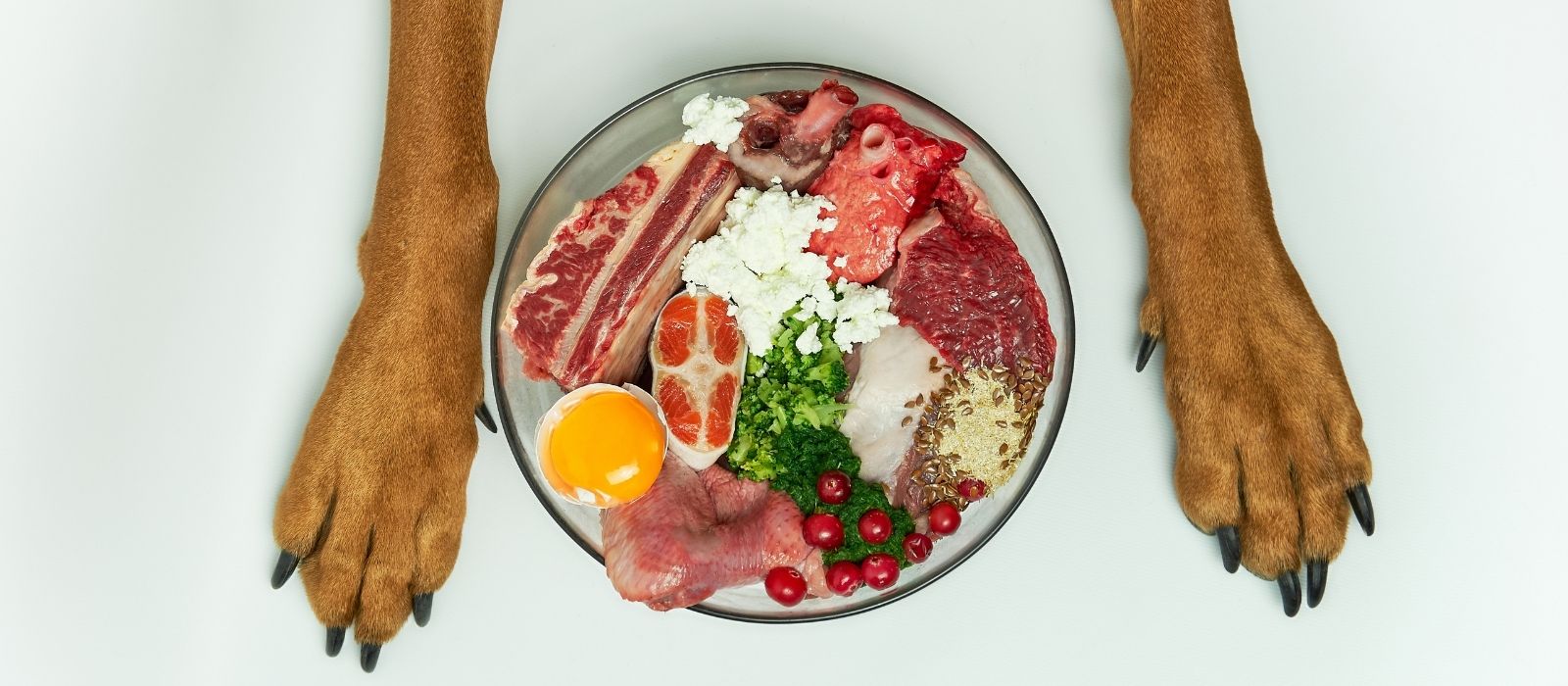
Successful raw feeders typically follow established ratios: roughly 80% muscle meat, 10% organs, and 10% bones. But even within those ratios, variety matters. Feeding only chicken creates different nutritional challenges than rotating between multiple protein sources.
Several Canadian veterinary nutritionists offer consultation services for raw feeding families. The investment in professional guidance often prevents expensive health problems down the road.
When Raw Feeding Goes Wrong
Emergency veterinarians across Canada see predictable problems from poorly managed raw diets. Bone impactions happen when owners give cooked bones or inappropriate sizes. Nutritional deficiencies show up as poor coat quality, dental problems, or growth issues in puppies.
Bacterial infections can affect both dogs and family members. Several Canadian families have traced salmonella outbreaks to contaminated raw pet food or poor handling practices.
The biggest mistakes involve sudden diet switches without transition periods, inappropriate bone sizes, and unbalanced homemade recipes. [Dogs with sensitive stomachs](/blog/dog-vomiting) need especially careful transition protocols when switching to raw.
But many problems are preventable with proper education and gradual implementation. The raw feeding community in Canada has developed extensive resources and support networks to help new adopters avoid common pitfalls.
Making an Informed Decision
Raw feeding works well for many Canadian dogs, but it's not automatically better than high-quality commercial diets. Your decision should factor in your dog's individual health status, your family situation, and your commitment to proper protocols.
Consider starting with commercial raw products rather than homemade recipes. This gives you experience with handling and storage while ensuring nutritional adequacy. You can always transition to home preparation later if you choose.
Discuss raw feeding with your veterinarian before starting. Even vets who don't actively promote raw diets can often provide guidance on safe implementation and warning signs to watch for.
The legal landscape around raw pet food continues evolving in Canada. What's clear is that raw feeding is here to stay, and responsible approaches can work well for many dogs. The key is honest assessment of your situation and commitment to doing it properly from the start.