
Your puppy's first vet visit sets the foundation for their entire healthcare journey. It's more than vaccines and a quick checkup — vets are looking for early warning signs that could affect your dog's quality of life for years to come.
Most Canadian vets typically schedule first visits between 6-8 weeks, though this can vary depending on where you got your puppy and what initial care they've already received.
The Physical Examination: More Than Meets the Eye
Vets start with what looks like basic handling, but they're actually conducting a systematic assessment. They'll check your puppy's eyes for cloudiness, discharge, or structural issues that might indicate congenital problems. The ears get examined for mites, infections, or abnormal canal development.
The mouth inspection reveals more than you'd expect. Vets count teeth, check bite alignment, and look for cleft palates or other oral defects. They're also assessing gum color — pale gums can signal anemia or other blood disorders that are treatable when caught early.
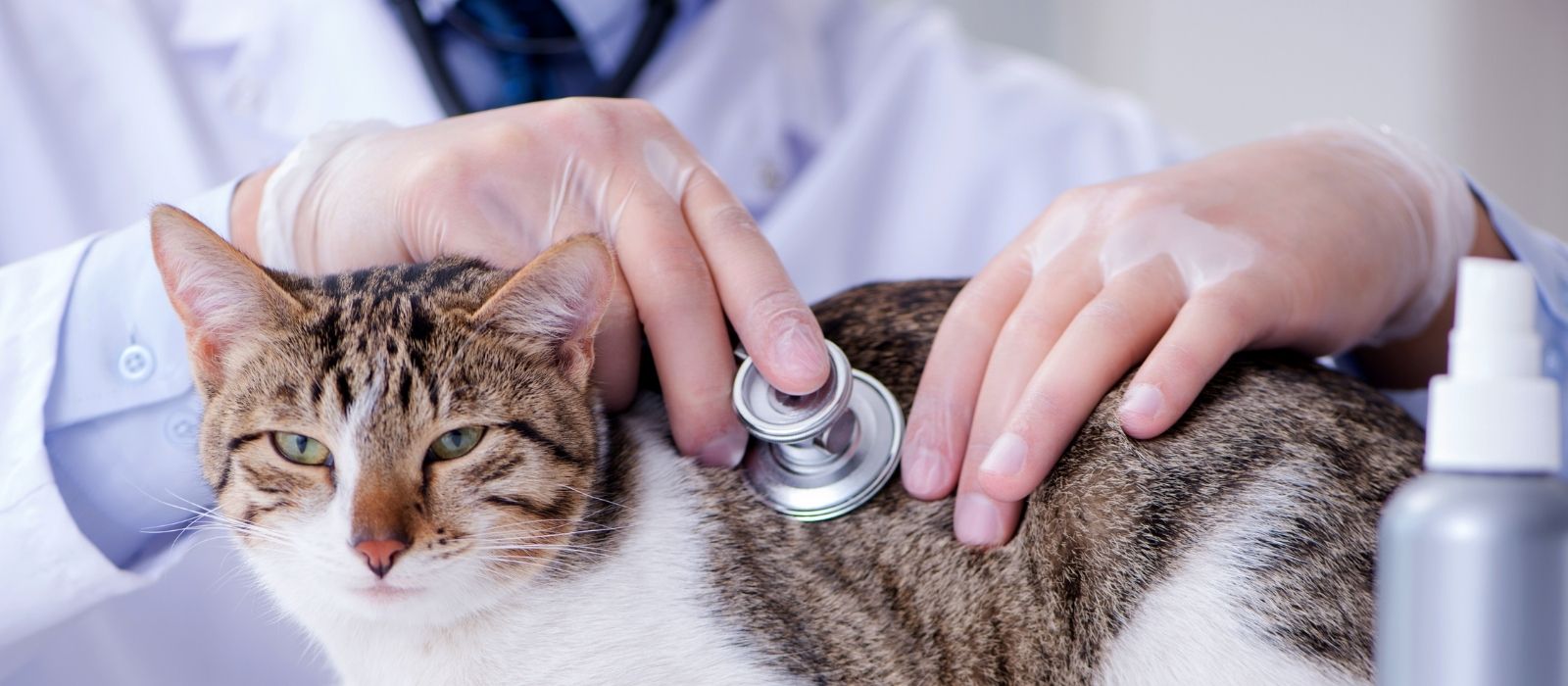
Heart and lung sounds tell stories too. Irregular rhythms might indicate heart murmurs, which are fairly common in puppies but need monitoring. Breathing patterns help identify respiratory issues that could worsen without intervention.
Weight and Growth Tracking
That scale reading isn't just for records. Vets use your puppy's weight to calculate proper vaccine doses and establish a growth baseline. Puppies typically double their birth weight by 7-10 days and triple it by three weeks, but individual variation is huge.
Your vet will plot your puppy's weight on breed-specific growth charts. Significant deviations — either too fast or too slow — can indicate nutritional issues, parasites, or underlying health conditions. They'll also assess body condition by feeling for rib coverage and waist definition.
This baseline becomes crucial for tracking your dog's health throughout their life, especially for predicting adult size and identifying weight-related problems before they become serious.
Vaccination Schedule Planning
Vaccines aren't one-size-fits-all, despite what many people think. Your vet considers your location, lifestyle, and risk factors when designing your puppy's vaccination protocol. Urban dogs in Toronto face different disease risks than rural puppies in Alberta.
Core vaccines — distemper, hepatitis, parvovirus, parainfluenza, and rabies — are typically recommended for all Canadian dogs. But non-core vaccines like Lyme disease, kennel cough, or Leptospirosis depend on your specific circumstances.
Most vets follow a schedule starting at 6-8 weeks, with boosters every 3-4 weeks until 16 weeks old. The timing matters because maternal antibodies can interfere with vaccine effectiveness, creating a vulnerable window that proper scheduling helps minimize.
Parasite Prevention and Testing
Nearly all puppies have some level of parasite exposure, whether from their mother or environment. Your vet will likely recommend fecal testing to identify specific parasites rather than assuming what's present.
Roundworms and hookworms are extremely common, with roundworms affecting up to 85% of puppies according to many veterinary reports. These aren't just gross — they can cause serious malnutrition, intestinal blockages, and some can transmit to humans.
Heartworm prevention typically starts early too, especially in regions like southern Ontario and parts of Quebec where mosquito populations are high. Your vet will explain the monthly prevention options and help you choose what works for your routine and budget.
Flea and tick prevention gets tailored to your region's specific threats. British Columbia's mild winters create year-round flea problems, while Prairie provinces might focus more heavily on tick prevention during active months.
Nutritional Guidance That Actually Matters
Vets don't just recommend food — they calculate your puppy's specific caloric needs based on current weight, expected adult size, and activity level. This prevents both malnutrition and overfeeding, which can cause joint problems in large breeds.
Puppy food isn't all equivalent. Vets typically recommend foods that meet AAFCO standards and are appropriate for your dog's life stage and size category. Large breed puppies need controlled calcium and phosphorus levels to prevent developmental orthopedic diseases.
They'll also address feeding schedules, portion control, and treat guidelines. Many puppy behavior problems stem from inconsistent feeding routines or too many training treats, so getting this right early prevents bigger issues later.
Early Health Problem Detection
Some of the most important findings happen when nothing obvious seems wrong. Vets are trained to spot subtle signs of conditions that won't become obvious for months or years.
Hip dysplasia screening often starts with observing how puppies move and manipulating their joints. While definitive diagnosis requires X-rays at maturity, early detection allows for preventive management that can significantly improve long-term outcomes.
Heart murmurs are detected in many puppies during routine exams. Most are innocent and resolve as the puppy grows, but some indicate serious cardiac defects that need immediate attention. Early identification allows for proper monitoring and treatment planning.
Eye examinations can reveal conditions like juvenile cataracts or progressive retinal atrophy in breeds predisposed to these problems. Early detection doesn't prevent these conditions, but it allows owners to plan and potentially slow progression.
Behavioral Assessment and Socialization
Good vets don't just check physical health — they're observing your puppy's temperament, stress responses, and social development. How your puppy reacts to handling, new environments, and strangers provides valuable insights.
This visit often includes discussion of critical socialization periods and how to safely expose your puppy to new experiences before full vaccination. The balance between disease prevention and behavioral development requires careful planning.
Your vet might recommend puppy classes, controlled socialization opportunities, or specific handling exercises based on your puppy's personality and breed characteristics. This guidance can prevent fear-based behavior problems that are much harder to address later.
Planning Future Healthcare
This first visit establishes your puppy's baseline health profile and creates a roadmap for their ongoing care. Your vet will discuss spaying or neutering timing, which varies based on breed, size, and individual factors.
They'll outline expected veterinary costs for the first year, helping you budget for vaccines, preventive treatments, and potential unexpected issues. Many clinics offer puppy packages that bundle common services at a discount.
Discussion of pet insurance options often happens during this visit too, since coverage typically needs to start before any conditions are diagnosed. Your vet can explain what types of problems are common in your breed and how insurance might help.
The Canadian Veterinary Medical Association provides guidelines for preventive healthcare that most practitioners follow, but your individual vet will adapt these recommendations to your specific situation and local disease risks. This first visit isn't just about immediate health — it's about setting your puppy up for a long, healthy life.