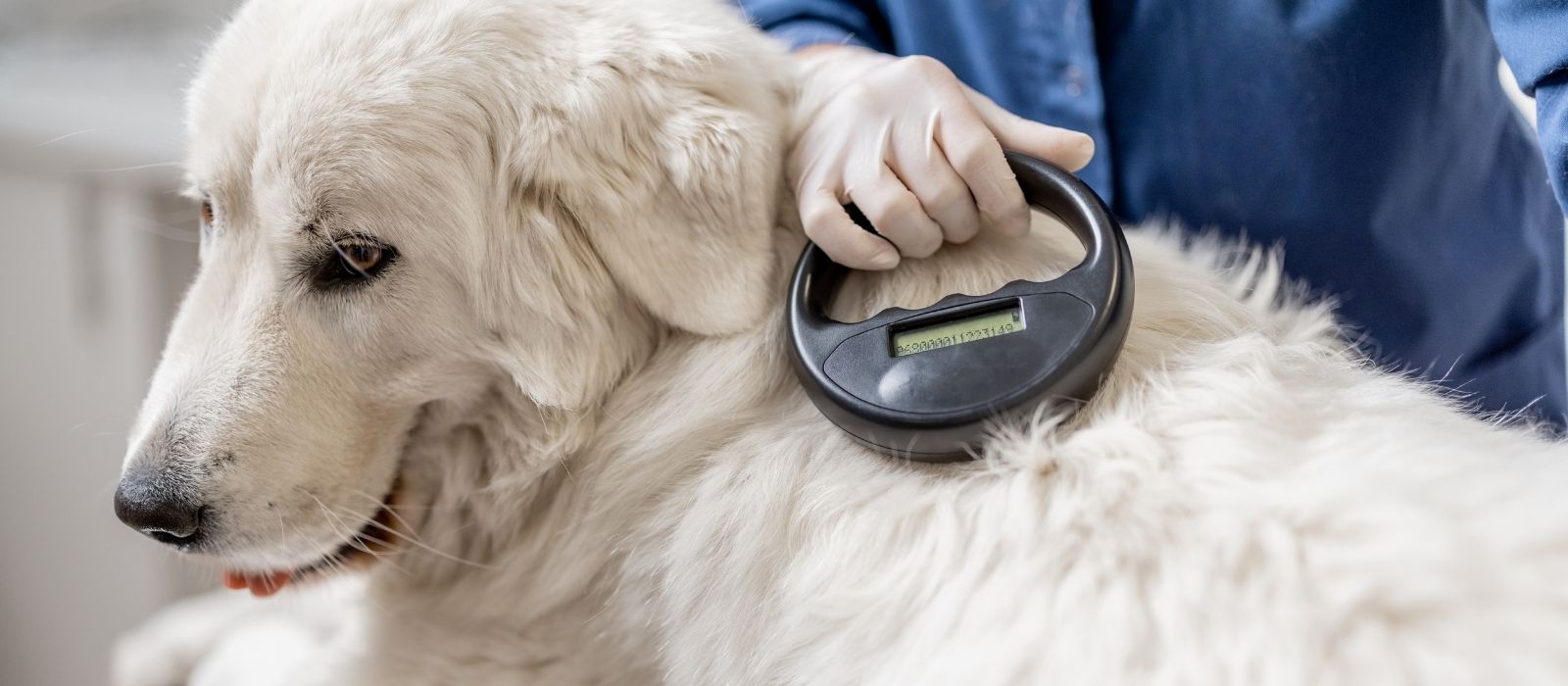

Your vet slides the scanner over your dog's shoulder blade and frowns. "I'm not picking up anything," she says, even though you're certain Bella has a chip. This happens more often than you'd think, and it's not always because the chip migrated or failed.
Canada doesn't have a single national law requiring pet microchipping, but individual provinces are starting to step in. More importantly, not all microchips work with all scanners, creating gaps that can leave your pet unidentifiable when it matters most.
Which Provinces Actually Require Microchips
Most Canadian provinces still treat microchipping as optional, but that's changing. Ontario leads the pack with specific requirements for certain animals, particularly those coming from rescue organizations and shelters.
Quebec has been considering mandatory microchipping legislation, especially after several high-profile cases where lost pets couldn't be reunited with owners. The province's veterinary association often recommends chipping as standard practice, though it's not legally required yet.
British Columbia takes a different approach. While not mandatory for all pets, many municipalities require microchipping for dog licensing. Vancouver, for instance, offers reduced licensing fees for microchipped dogs, essentially creating a financial incentive that feels close to mandatory.
Alberta and Saskatchewan generally leave microchipping decisions to individual pet owners, though both provinces' veterinary associations strongly recommend it. The vast distances between communities in these provinces make identification especially crucial when pets go missing.
The Scanner Problem Nobody Talks About
Here's where things get messy. There are three main microchip frequencies used in North America: 125 kHz, 128 kHz, and 134.2 kHz. Many veterinary clinics and shelters only have scanners that read one or two of these frequencies.
The 134.2 kHz chips are considered the international standard, but many older chips in Canadian pets use 125 kHz. If your vet's scanner only reads 134.2 kHz and your dog has an older 125 kHz chip, it'll seem like your pet isn't chipped at all.
This creates real problems during emergencies. Animal shelters often receive several "unchipped" animals daily that actually do have microchips, they just can't be read by the available equipment.
Some veterinary clinics have invested in universal scanners that read all frequencies, but they're more expensive and not every practice has made the upgrade. It's worth asking your vet which frequencies their scanner reads, especially if you adopted your pet from another province or country.
Regional Differences in Microchip Policies
The Maritimes have taken a collaborative approach. New Brunswick, Nova Scotia, and Prince Edward Island share lost pet databases, making microchips more effective across provincial borders. Many vets in these provinces coordinate on which chip brands to use, reducing compatibility issues.
Ontario's approach varies significantly by municipality. Toronto has different requirements than smaller cities like Kingston or Thunder Bay. Some areas tie microchip requirements to specific dog breeds or animals with bite histories.
Western provinces face unique challenges with rural areas. A lost dog in northern Manitoba might be found by someone hundreds of kilometers from the nearest vet clinic with a microchip scanner. This has led some communities to invest in portable scanners for animal control officers.
Quebec's language requirements add another layer. Microchip registries must provide information in both English and French, and some databases handle this better than others.
What Vets Won't Tell You About Chip Placement
Most vets implant microchips between the shoulder blades, but chips can migrate. This is more common than many pet owners realize, especially in active dogs or cats that spend time outdoors.
Some veterinarians scan the entire body when looking for a microchip, but others only check the standard implantation site. If your pet's chip has moved to their leg or flank, a quick shoulder scan might miss it entirely.
The timing of implantation matters too. Puppies and kittens sometimes have chips that shift position as they grow. What starts between the shoulder blades in a 12-week-old puppy might end up along the ribcage in an adult dog.
Scar tissue can also interfere with scanning. Pets with thick coats or skin conditions might have chips that are harder to detect, even with proper equipment.
Database Problems and Registration Gaps
Getting the chip implanted is only half the battle. The bigger problem is often database registration and maintenance. Many pet owners never register their microchip information, or they register but forget to update it when they move.
Canada has several microchip databases, and they don't always communicate with each other effectively. A chip registered in Ontario might not show up in searches conducted in Alberta, depending on which database system is being used.
Some veterinary clinics register chips automatically when they implant them, but others expect pet owners to handle registration themselves. This creates gaps where chipped pets appear unregistered because the paperwork never got completed.
Phone numbers change, people move, and email addresses become obsolete. Even properly registered chips become useless if the contact information isn't current. Many found pets have chips that lead to disconnected phone numbers or old addresses.
The Real Cost Across Canadian Cities
Microchipping costs vary significantly across Canada. Toronto veterinary clinics typically charge between $50-80 for implantation, while Vancouver prices often run $60-90. Smaller cities like Saskatoon or Halifax might charge $40-65.
These prices usually include the chip itself and implantation, but registration fees are often separate. Some veterinary practices include the first year of database registration, while others charge $15-25 extra for this service.
Mobile clinics and animal welfare organizations sometimes offer reduced-cost microchipping events, particularly in rural areas where access to veterinary services is limited. These events might charge $25-40, making microchipping more accessible to pet owners on tight budgets.
The ongoing costs add up too. Database registrations need renewal, and fees vary by provider. Some charge annual fees, others offer lifetime registration for a single upfront payment.
How to Verify Your Pet's Chip Actually Works
Don't assume your pet's microchip is working properly just because it was implanted years ago. Chips can fail, though it's uncommon. More often, the problem is with registration or scanner compatibility.
Ask your vet to scan your pet during regular checkups. This serves two purposes: it confirms the chip is still readable and in the expected location. If they can't find it, you'll know there's a problem before your pet goes missing.
Test your registration information annually. Call the database company and verify they have your current contact information. Many databases allow online updates, but it's worth confirming everything is accurate.
Consider having your pet scanned at different veterinary clinics occasionally, especially if you travel frequently. This gives you insight into whether your pet's chip is readable by different scanner types.
Pet-friendly cities across Canada are increasingly investing in better microchip infrastructure, but gaps still exist.
Planning for Emergencies and Travel
If you're planning to move provinces or travel extensively with your pet, research the microchip requirements and scanning capabilities in your destination areas. Some provinces have better-connected database systems than others.
Keep physical documentation of your pet's microchip number and registration information. Store this separately from other pet documents in case you need to provide proof of ownership quickly.
For international travel with pets, ensure your microchip meets destination country requirements. Some countries only accept specific chip frequencies or require chips from approved manufacturers.
Emergency preparedness goes beyond just having a chip. Make sure your pet's identification includes both passive (microchip) and active (collar tag) forms of identification. Tags can be read by anyone, while microchips require special equipment that might not be immediately available in an emergency.
The Canadian Veterinary Medical Association provides guidance on microchip standards and best practices, though individual provincial veterinary associations may have specific recommendations that better reflect local needs and infrastructure. As provincial laws continue to evolve, staying informed about your area's specific requirements becomes increasingly important for responsible pet ownership.