
Your cat jumped down from the counter this morning, but something looked off. Maybe they landed awkwardly, or maybe they've been moving differently for days. Cats are masters at hiding pain, and by the time most owners notice something's wrong, their cat has been suffering for weeks.
Unlike dogs who might whimper or limp dramatically, cats mask discomfort as a survival instinct. You'll need to watch for subtle changes that signal pain before it becomes unbearable.
Hiding in Unusual Places
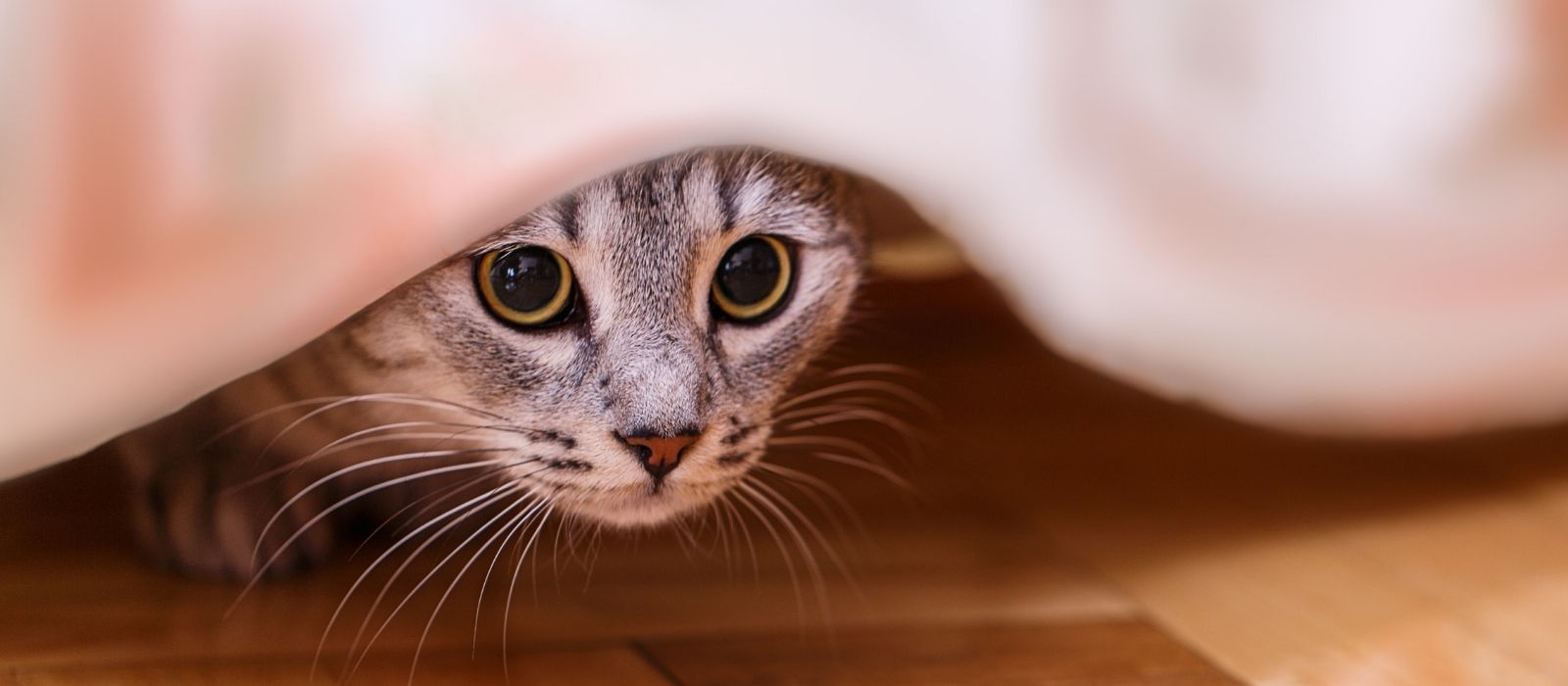
A cat in pain often seeks out quiet, dark spaces where they won't be disturbed. This isn't your cat's usual under-the-bed nap spot. We're talking about the back of closets, behind the washing machine, or cramped spaces under furniture they've never shown interest in before.
The instinct runs deep. In the wild, injured cats hide to avoid predators who target vulnerable animals. Your indoor cat doesn't know they're safe from predators, so they follow the same pattern when hurting.
Watch for location changes that happen suddenly. If your social cat who loves the living room starts spending entire days in the basement laundry room, that's a red flag worth investigating.
Changes in Litter Box Habits
Pain often shows up first in bathroom habits, and it's not always what you'd expect. Many cats with arthritis or joint pain avoid their litter box because climbing in hurts. Others might use the box but eliminate right next to it instead of digging.
Urinary issues can signal pain too. A cat with bladder inflammation might associate the litter box with discomfort and start going elsewhere. Sometimes they'll sit in the box longer than usual, or make sounds while eliminating.
Canadian veterinarians report seeing more litter box issues during winter months when arthritis pain worsens in older cats. If your cat's bathroom habits change suddenly, pain is often the culprit before behavioral problems.
Loss of Appetite or Changed Eating Patterns
Cats in pain often eat less, but the pattern varies depending on what's hurting. Dental pain might mean they approach their food bowl but then walk away after a few bites. They want to eat but can't manage it comfortably.
Some cats switch from dry food to wet food on their own when their mouth hurts. Others might start eating from one side of their mouth only, or drop food while chewing. You might hear new sounds during meals, soft grunts or different chewing noises.
Stomach pain creates different patterns. These cats might eat tiny amounts frequently instead of normal meals, or show interest in food but vomit shortly after eating. Appetite changes can escalate quickly in cats, so don't wait more than 24 hours to investigate.
Unusual Grooming Behavior
Over-grooming often points to localized pain. A cat with arthritis in their hip might lick that area obsessively, creating bald patches or irritated skin. The constant attention to one body part typically means something hurts there.
Under-grooming is equally telling. Cats who stop maintaining their coat usually have pain that makes normal stretching and twisting difficult. Their fur becomes greasy or matted, especially on the back and behind the head where flexibility matters most.
Look for changes in your cat's grooming routine. A meticulous cat who suddenly looks disheveled, or a normal groomer who develops raw spots from excessive licking, is showing you something hurts.
Vocal Changes and New Sounds
Pain changes how cats communicate, but not always in obvious ways. Some cats become more vocal, especially at night when pain often worsens. These aren't normal meows though. Listen for low, drawn-out sounds, or calls that seem to come from nowhere.
Other cats go quiet when hurting. A chatty cat who stops greeting you or responding to your voice might be conserving energy to cope with discomfort. The silence can be more concerning than increased vocalization.
Pay attention to sounds during movement. Soft grunts when jumping down, little chirps when being picked up, or unusual breathing sounds during normal activities often indicate pain your cat can't hide completely.
Mobility and Movement Changes
Cats rarely limp obviously like dogs do. Instead, watch for subtle movement changes. Your cat might start using furniture as stepping stones to get on the couch instead of jumping directly. They might go upstairs less often, or choose lower perches than usual.
Stiffness shows up after rest periods. A cat who takes longer to get moving after naps, or walks awkwardly for the first few steps, likely has joint pain. Canadian vets see this pattern increase during cold snaps when arthritis flares up.
Some cats develop new movement patterns to avoid pain. They might jump down differently, land more heavily, or hesitate before jumping up onto familiar surfaces they've used for years.
Social and Behavioral Changes
Pain affects personality, often in ways that seem unrelated to physical discomfort. Friendly cats might become irritable or aggressive when petted in certain areas. They're not being mean, they're protecting body parts that hurt.
Social cats sometimes withdraw entirely. Your lap cat might stop seeking attention, or your cat who greets you at the door might stay hidden when you come home. These behavioral shifts often happen before obvious physical signs appear.
Sleep patterns change too. Cats in pain might sleep more than usual, or sleep restlessly with frequent position changes. Some cats start sleeping in new locations that better support sore joints or avoid pressure on painful areas.
When to Contact Your Vet
Don't wait for multiple signs to appear. Canadian veterinary associations recommend scheduling an appointment if you notice any significant behavior change lasting more than 24-48 hours. Early intervention prevents minor pain from becoming chronic suffering.
Emergency situations include complete loss of appetite, inability to use the litter box, obvious distress, or severe behavioral changes. These require same-day veterinary attention, especially if your cat is older or has existing health conditions.
Document what you're seeing before your vet visit. Note specific behaviors, when they happen, and how long they've been going on. Videos can be incredibly helpful since cats often act normal at the vet's office.
What Your Vet Will Look For
Veterinary pain assessment in cats involves specific techniques most owners don't know about. Vets watch how cats position themselves, check for muscle tension, and test range of motion in joints. They'll also look for signs of dental disease, which causes significant pain in older cats.
Blood work often reveals underlying conditions causing pain, like kidney disease or thyroid problems. X-rays might show arthritis or other structural issues. Many Canadian veterinary clinics now use specialized pain scales designed specifically for cats.
Treatment options vary widely depending on the source of pain. Arthritis might be managed with joint supplements, weight management, and environmental modifications. Dental pain requires professional cleaning and possibly extractions. Your vet will develop a plan specific to your cat's situation and your budget, with costs typically ranging from routine medications to more complex interventions depending on the diagnosis.