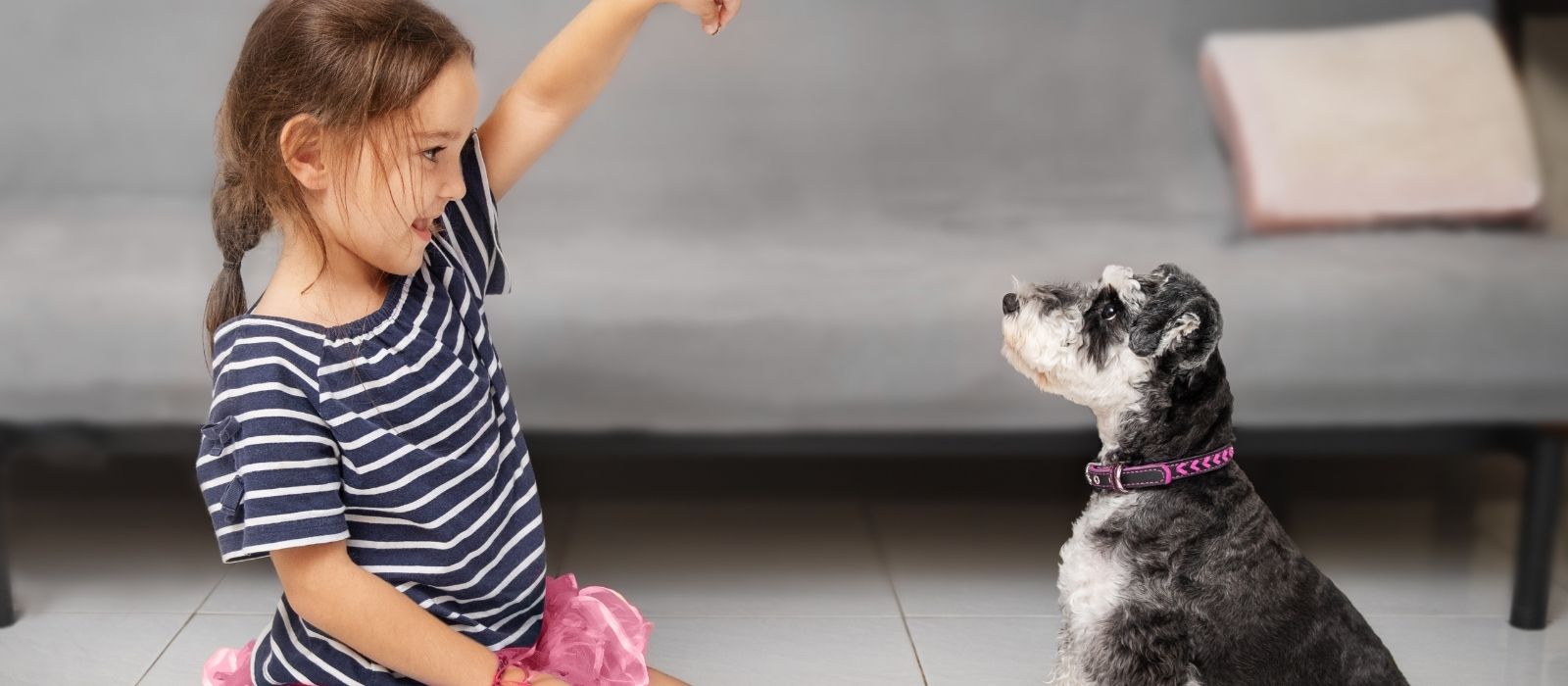

Most dog owners teach "sit" by holding a treat over their dog's head and waiting. It works sometimes, but professional trainers approach it completely differently — and their dogs learn faster, remember longer, and actually want to sit.
Here's how the pros really do it, plus why the popular methods you see online often backfire.
Why the "Treat Over Head" Method Falls Apart
You've probably seen this everywhere: hold a treat above your dog's nose, slowly move it back over their head, and wait for them to sit. The theory is simple — when dogs look up, they naturally sit down.
But professional trainers in Vancouver and Toronto report the same problems with this method. Dogs learn to jump for the treat instead of sitting. They get fixated on your hand movements rather than the actual command. And many dogs just back up or spin around instead of sitting.
The biggest issue? Your dog learns that sitting only happens when you're holding food above their head. Remove the treat, and the behavior disappears.
The Professional Foundation: Position Before Command
Professional trainers start backwards from most pet owners. They get the dog sitting first, then add the word "sit" after the dog already knows what position they want.
This seems counterintuitive, but it works because dogs learn body positions faster than they learn words. Once they understand the physical action, connecting it to a verbal cue becomes simple.
Start with your dog standing in front of you. Hold a small treat at their nose level — not above their head. Let them smell it but don't give it to them yet.
The Lure and Capture Technique
With the treat at nose level, slowly move your hand straight back toward your dog's chest, keeping the treat close to their nose. Most dogs will naturally follow the treat with their head, which shifts their weight backward.
The moment your dog's bottom touches the ground — even if they bounce right back up — immediately say "yes" and give them the treat. Don't worry about duration yet. You're just marking the exact moment they achieve the sitting position.
Professional trainers call this "capturing" the behavior. You're rewarding the instant the dog does what you want, even if it's accidental or brief.
When Your Dog Won't Sit (Common Problems)
If your dog keeps jumping or backing up instead of sitting, you're probably moving the treat too high or too fast. Keep the treat at nose level and move it slowly — about one inch per second.
Some dogs, especially larger breeds common in Calgary and Edmonton, will try to paw at your hand. Simply close your fist around the treat and wait. Don't pull your hand away or say "no." Just wait until they stop pawing, then continue.
Puppies under four months often can't sit for more than a second or two. That's normal. Focus on rewarding the moment they sit rather than expecting them to hold the position.
Adding the Verbal Command (Week Two)
Only add the word "sit" once your dog reliably sits when you move the treat back toward their chest. This usually takes 3-5 days of short practice sessions.
When you're ready, say "sit" just before you start moving the treat. The timing matters: command first, then hand movement. Your dog already knows what the hand movement means, so now they're learning that the word "sit" predicts that familiar hand signal.
Practice this pattern for another week. Say "sit," pause for half a second, then move your hand with the treat. Don't repeat the command if they don't respond immediately — just help them with the hand movement.
Fading the Food Lure
This is where most pet owners get stuck, but professionals have a systematic approach. After your dog consistently sits when you say the word and move your hand, start using an empty hand.
Say "sit" and make the same hand movement, but without holding a treat. The moment your dog sits, immediately reach into your treat pouch and reward them. You're teaching them that sitting still gets rewarded, even when they can't see the food beforehand.
Once this works reliably, gradually make your hand movement smaller and smaller until you're barely moving your hand at all. Many professional trainers in Ontario report this process takes about two weeks of consistent practice.
Building Duration and Reliability
Professional trainers don't rush to get their dogs sitting for long periods. They build duration gradually, adding just one or two seconds at a time.
Start by counting to three after your dog sits, then reward. If they stay sitting for the full three seconds, gradually increase to five seconds, then eight, then twelve. If they get up early, just start over — don't scold them.
The key is rewarding your dog while they're still sitting, not after they get up. This teaches them that holding the sit position is what earns the reward.
Testing in Real Situations
Once your dog sits reliably in your living room, they need to learn the command works everywhere. Professional trainers typically spend several weeks practicing in different locations around their clients' homes and neighborhoods.
Try asking for a sit before meals, before going outside, and when guests arrive. Start with easy distractions and gradually work up to more challenging situations. A dog that sits perfectly in the kitchen might need extra practice sitting when the doorbell rings.
Many trainers in British Columbia also practice outdoors in various weather conditions, since Canadian dogs need to respond to commands whether it's raining in Vancouver or snowing in Winnipeg.
Timing Your Training Sessions
Professional trainers keep individual training sessions short — typically 3-5 minutes, two or three times per day. Dogs learn better from frequent, brief practices than from long training marathons.
The best times are usually before meals when your dog is hungry and motivated by food rewards. Many professional trainers also recommend starting this training early if you have a new puppy, since young dogs often learn faster than adults who have already developed other habits.
If you're working with a rescue dog or adult dog that's never learned basic commands, expect the process to take a bit longer. Older dogs can absolutely learn new behaviors, but they might need more repetitions to override existing patterns.
Common Mistakes Professional Trainers Avoid
The biggest mistake is repeating the command when your dog doesn't respond immediately. Saying "sit, sit, SIT" teaches your dog they don't have to listen the first time.
Professional trainers give the command once, wait three seconds, then either reward the correct response or help the dog succeed with a hand signal. If you find yourself repeating commands, go back to practicing with the hand movement for a few more days.
Another common issue is rewarding too slowly. The Canadian Kennel Club emphasizes that timing matters more than the value of the reward. A small treat given immediately when your dog sits is more effective than a big treat given three seconds later.
Don't practice when you're frustrated or in a hurry. Dogs pick up on your mood, and training sessions should feel positive for both of you. If you're having a rough day, skip the training and try again tomorrow.