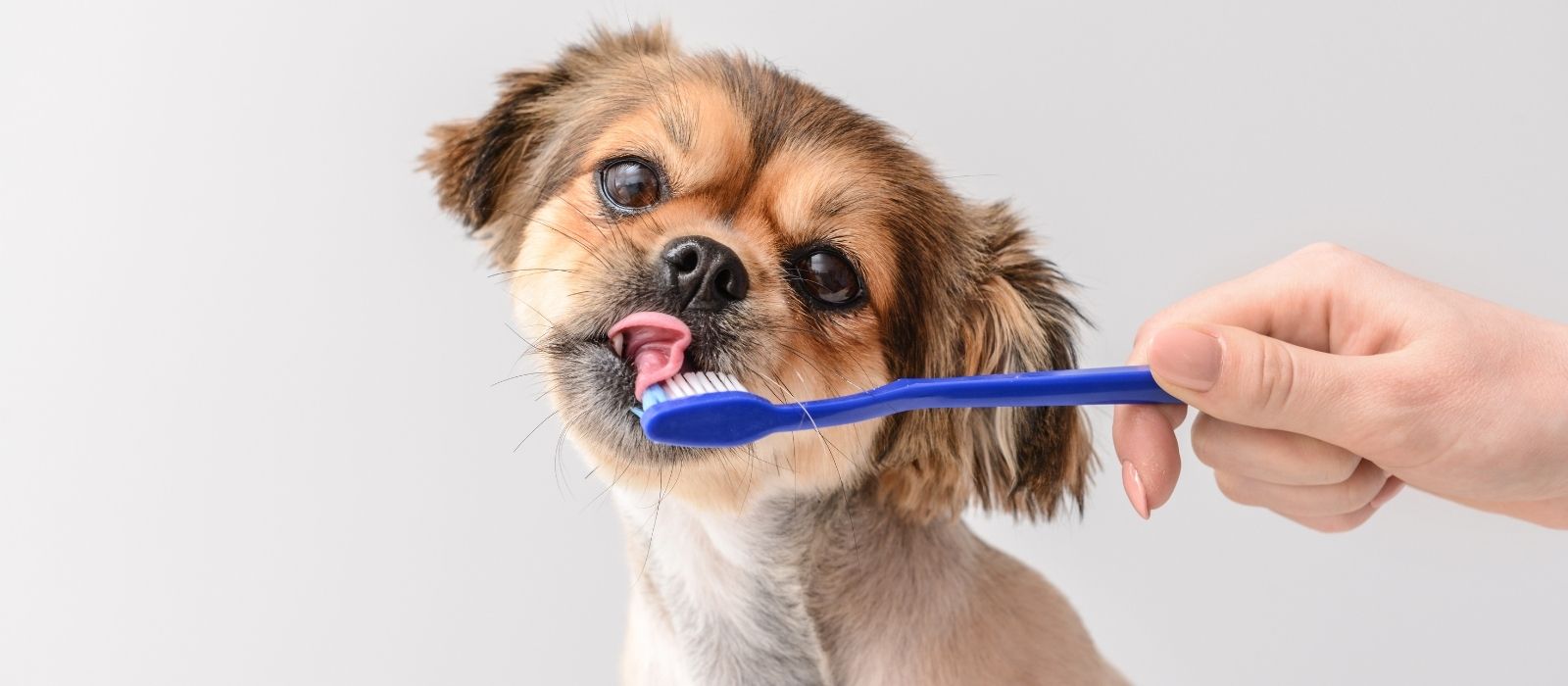

Your dog's breath could knock over a moose, but the moment you approach with a toothbrush, they transform into a furry land shark. You're not imagining the challenge — most dogs haven't signed up for dental hygiene, and they'll let you know with varying degrees of tooth-baring drama.
The good news? You can teach almost any dog to tolerate, and even enjoy, having their teeth brushed. It just takes the right approach and more patience than you probably think you need.
Start With Your Fingers, Not the Brush
Forget the toothbrush for now. Your dog needs to get comfortable with you touching their mouth before you introduce any tools. Start by simply lifting their lip and touching their teeth with your finger.
Do this when your dog is relaxed — maybe after a walk or during a calm evening. Lift the lip gently, touch one or two teeth, then immediately give them a high-value treat. We're talking chicken, cheese, or whatever makes your dog's eyes light up.
Repeat this for several days until your dog doesn't pull away when you touch their teeth. Some dogs get there in three days, others need two weeks. Don't rush it �� a stressed dog is a bitey dog.
The Magic of Dog Toothpaste
Human toothpaste will make your dog sick, so don't even consider it. Dog toothpaste comes in flavors like chicken, beef, and peanut butter — basically everything your dog already wants to lick.
Canadian pet stores typically carry brands like Virbac C.E.T. and Petrodex. Many dogs actually enjoy the taste, which makes your job much easier. Let your dog lick some off your finger first so they associate it with something good, not scary dental procedures.
Put a small amount on your finger and let them explore it. Most dogs will try to lick it off, which is perfect. You're building positive associations before you even attempt actual brushing.
Choosing the Right Brush
You've got options here, and the best choice depends on your dog's size and tolerance level. Finger brushes — little rubber caps that slip over your finger — work well for dogs who are still getting used to the process. They're less intimidating than a regular toothbrush.
For larger dogs or once your dog is comfortable, a regular dog toothbrush with soft bristles works better. The bristles clean more effectively than finger brushes. Avoid human toothbrushes — they're usually too big and the bristles too hard.
Some dogs do well with dental wipes as a stepping stone. They're not as effective as brushing, but they're better than nothing if your dog absolutely refuses a brush.
The Gradual Introduction Method
Now you're ready to combine everything. Put toothpaste on the brush and let your dog lick it off. Don't try to brush yet — just let them investigate and get treats for being calm around the brush.
Next session, touch the brush to their teeth for maybe two seconds, then treat immediately. Gradually increase the time and add gentle circular motions. You're aiming for about 30 seconds per side eventually, but start with whatever your dog can handle.
Focus on the outside surfaces of their teeth first — that's where most tartar builds up anyway. The tongue side is harder to reach and less critical for most dogs.
Reading Your Dog's Body Language
Watch for signs your dog is getting stressed before they escalate to snapping. Whale eye (showing the whites of their eyes), lip licking, yawning, or trying to back away are all signals to slow down or take a break.
If your dog starts panting heavily, drooling excessively, or their body goes rigid, stop immediately. These are stress signals that mean you're pushing too fast. Better to end on a positive note with a treat than to create negative associations.
Some dogs will mouth your hand gently — that's different from actual biting and often just means they want to control what's happening. Stay calm and redirect with treats rather than pulling your hand away quickly, which can trigger a chase response.
What to Do If Your Dog Bites
If your dog does bite, don't yell or punish them. They're communicating that they're overwhelmed or scared. Calmly end the session and give them space to decompress.
Take several steps back in your training. Maybe you were moving too fast, or your dog was already stressed about something else. Sometimes dogs become more defensive when they're not feeling well, so consider whether there might be an underlying issue.
For dogs with a history of biting or extreme anxiety, work with a professional dog trainer or your vet. They might recommend anti-anxiety medication or specialized training techniques.
Alternative Approaches for Difficult Dogs
Not every dog will ever love tooth brushing, and that's okay. Dental chews, water additives, and special diets can help, though they're not as effective as brushing.
Some dogs do better with electric toothbrushes designed for pets. The vibration can actually be soothing, and you don't need to scrub as much. Others prefer gauze wrapped around your finger instead of a brush.
You can also focus on the most important teeth — the large molars in the back where tartar tends to accumulate fastest. Even partial cleaning is better than nothing.
Building a Routine That Sticks
Most vets recommend brushing your dog's teeth daily, but realistically, three times a week makes a significant difference. Pick times when your dog is naturally calm and you're not rushed.
Many Canadian dog owners find success with post-dinner brushing, when dogs are relaxed but not sleepy. Others prefer morning routines before breakfast, using the meal as motivation.
Keep sessions short — two to three minutes max. Longer sessions often lead to stress and resistance. Professional dental cleanings typically cost $800-1500 in Canadian cities, so the few minutes you spend at home can save significant money and stress for both of you.
The key is consistency rather than perfection. A quick brush three times a week beats an elaborate routine you only manage once a month. Your dog's mouth will thank you, and your vet visits will be much more pleasant conversations about prevention rather than expensive treatment plans.