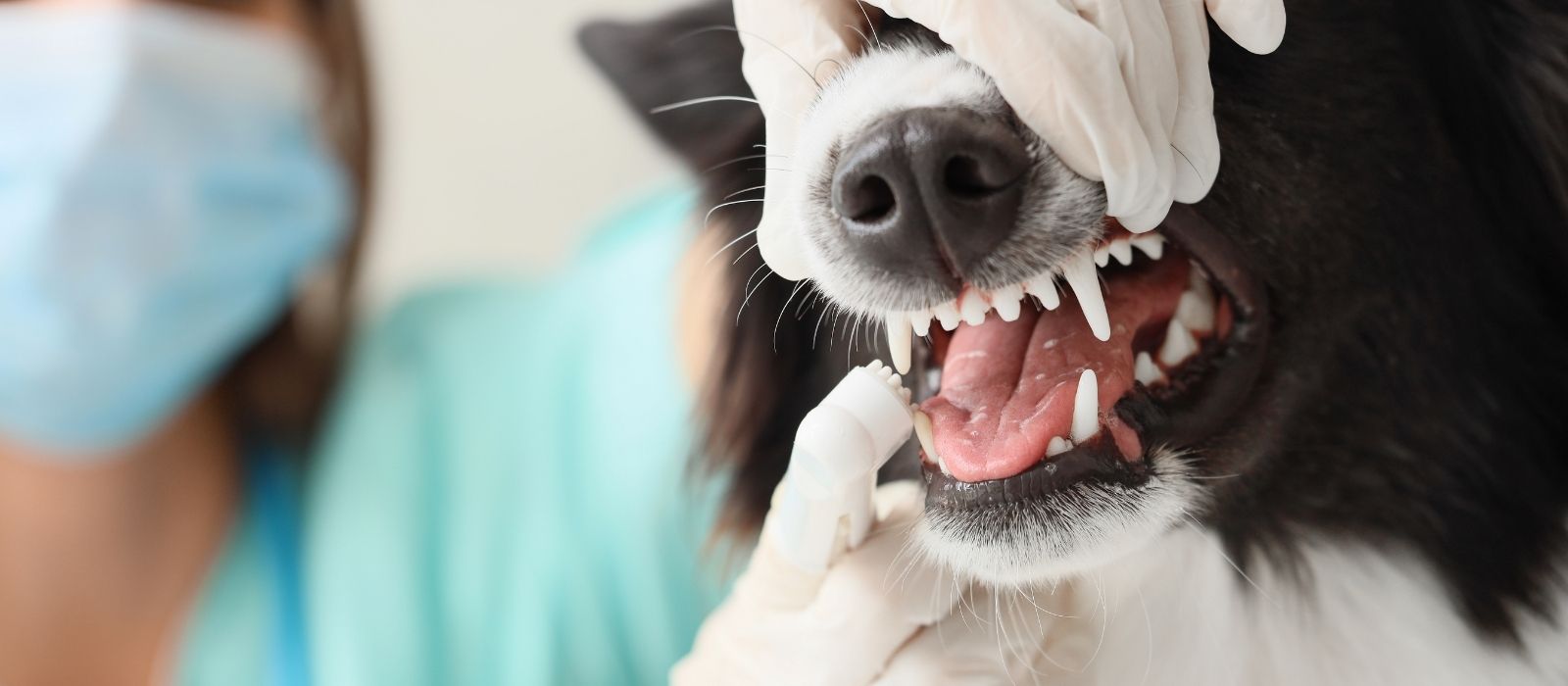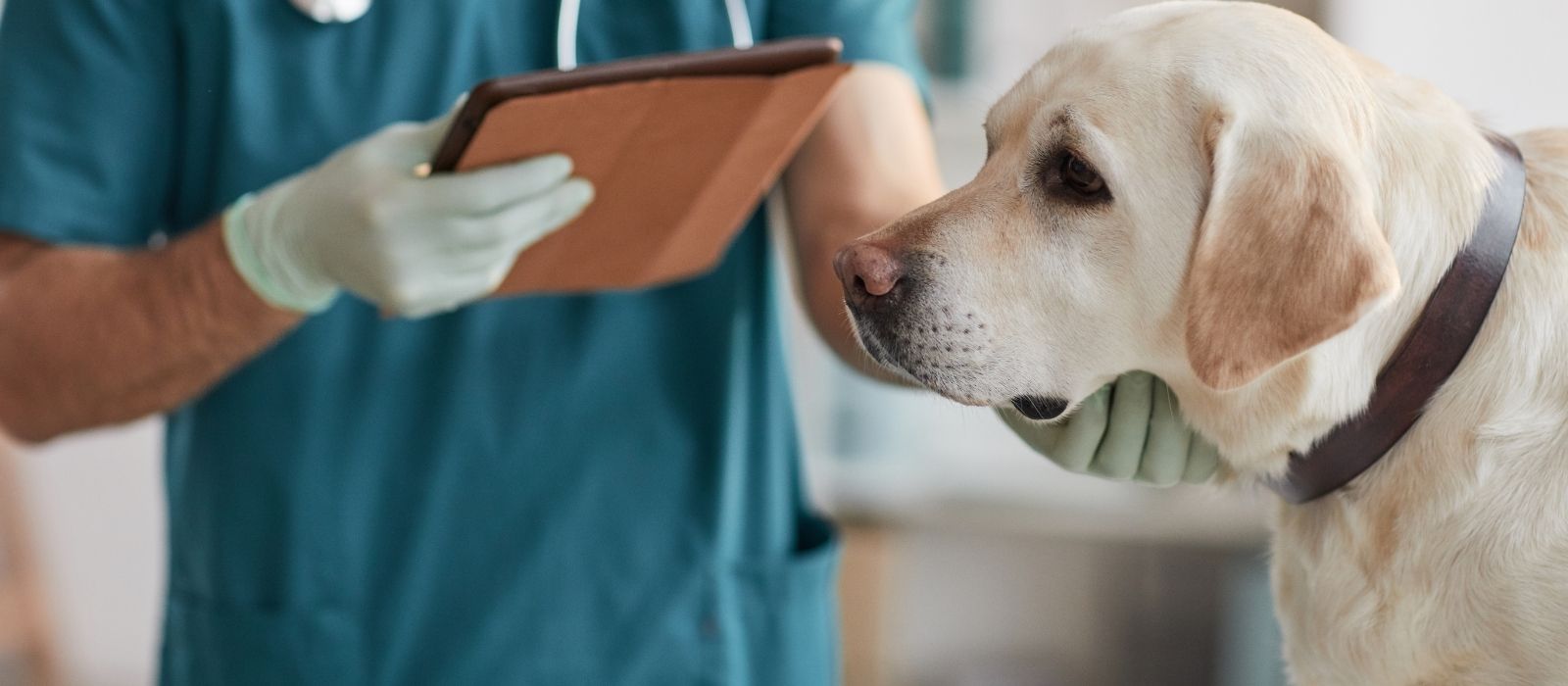
Your dog just came back from their annual checkup and the vet handed you a quote for a dental cleaning. Maybe $600. Maybe $900. You weren't expecting that number, and now you're wondering whether it's normal, whether it's negotiable, and what the actual difference is between cleaning a dog's teeth versus a cat's versus your kid's rabbit who's been grinding his molars for two weeks.
Dental care is one of the most underestimated costs in pet ownership. The Canadian Veterinary Medical Association estimates that roughly four in five adult dogs and cats show signs of periodontal disease by age three. Most owners don't notice until it's already moderate to severe, because animals hide discomfort well, and because most of us aren't looking in our pet's mouth regularly.
The costs vary more than you'd expect, depending on species, city, and what the vet finds once they're actually in there. Here's what you're actually looking at.
Dog Dental Cleanings: What You're Paying For
Dog dental cleanings in Canada typically run between $400 and $1,200 CAD, all in. That range is wide for a reason. A young Lab with healthy gums in Lethbridge is not the same situation as a ten-year-old Pomeranian in downtown Toronto who's never had a cleaning and has four loose teeth.
The base price usually covers anesthesia, monitoring, ultrasonic scaling, and polishing. What it doesn't cover: pre-anesthetic bloodwork ($80 to $150), X-rays ($150 to $250), and extractions, which can run $20 to $80 per tooth at some clinics, more if the root is fractured or the tooth is a large molar. One bad cleaning with four extractions can push a $600 estimate to $1,100 fast.
Anesthesia is non-negotiable for dogs. Any clinic offering "anesthesia-free" cleanings is doing cosmetic work, not dental care. The scaling below the gumline, where periodontal disease actually lives, can't be done safely on a conscious animal. Dog Dental Cleaning Cost in Canada breaks down exactly what happens during a cleaning if you want to know what that anesthesia time actually covers.
Prices are highest in BC and Ontario. Vancouver and Toronto clinics regularly quote $900 to $1,200 for a full cleaning with bloodwork. In Saskatchewan or Manitoba, you're more likely to see $400 to $700 for the same procedure. That's not because the vets are less qualified. It's overhead, real estate, and staffing costs in urban centres. Is Pet Insurance Worth It in Canada gets into this if you're trying to figure out whether coverage makes sense for ongoing dental costs.
Cat Dental Costs: Smaller Animal, Similar Bill
Cats cost a bit less than dogs for dental cleanings, but not as much less as you'd hope. Expect $300 to $900 CAD depending on location and what's found. Cats have smaller mouths, which makes access harder in some cases, not easier.
Tooth resorption is the big variable with cats. It's a condition where the tooth structure breaks down from the inside out, and it's common. Studies published in the Journal of Veterinary Dentistry estimate it affects somewhere between 20% and 60% of domestic cats. Once identified on X-ray, those teeth usually need to come out. A cat cleaning that starts at $450 can end at $850 once two or three resorptive lesions are extracted. Nobody can warn you in advance, because they're not visible until the gums are cleaned and X-rayed.
Cats also mask pain particularly well. If you've noticed your cat dropping food, chewing on one side, or going off wet food, those are worth mentioning to your vet before they put your cat under. For other signs that something's being hidden, cat hiding pain covers the full picture.
Rabbit Dental Care: The Expensive Outlier
Rabbits are where dental costs get genuinely complicated. And where a lot of owners get caught off guard.
Rabbit teeth never stop growing. The incisors and molars require constant wear from hay, and when that balance breaks, you get malocclusion, spurs, and abscesses that can progress fast. A rabbit who stops eating is often a dental emergency, not a digestive one. This overlaps with GI stasis, which is separately dangerous. See rabbit GI stasis for why that combination is so urgent.
The costs are higher per procedure than dogs or cats, in part because rabbit anesthesia requires specialized knowledge. Not every clinic handles rabbits. In smaller Canadian cities, you may need to travel to find an exotic vet, which adds to the bill before the procedure even starts.
Rough ranges for rabbit dental work in Canada:
| Procedure | Estimated Cost (CAD) | Notes |
|---|---|---|
| Incisor trim (conscious) | $50 to $100 | Minor only; not all vets will do without anesthesia |
| Full molar filing (anesthesia) | $300 to $600 | Requires exotic vet; more common in older rabbits |
| Incisor extraction (one or both) | $200 to $500 | Often permanent fix for chronic malocclusion |
| Abscess treatment | $500 to $1,500+ | Surgery plus antibiotics; can recur |
Lops and dwarf breeds have compressed skulls that make dental problems more likely and more complicated. If you have one, budget accordingly. Dental issues often need to be addressed every three to six months for chronic cases, which adds up to more than most owners expect when they adopt a rabbit.
Side-by-Side: What Each Species Actually Costs Per Year
Putting it all in one place:
| Species | Annual Dental Cleaning | Plus Extractions | Highest-Risk Scenario |
|---|---|---|---|
| Dog | $400 to $1,200 | Add $100 to $400 | Large breed, multiple extractions: $1,500+ |
| Cat | $300 to $900 | Add $100 to $350 | Resorptive lesions: $900 to $1,200 |
| Rabbit | $300 to $600 per session | Add $200 to $500 | Abscess with surgery: $1,500+ |
These are baseline numbers from Canadian pet owners and don't account for provincial differences in specialist availability. Alberta and BC have more exotic vet clinics than the Maritimes, which matters if your rabbit needs a specialist and you're in Moncton.
What Actually Reduces These Costs Over Time
Daily brushing makes a real difference for dogs and cats. The Ontario Veterinary College at the University of Guelph has published guidance indicating that daily tooth brushing is the single most effective home intervention for preventing periodontal disease progression. That doesn't mean you need a full brushing session every night. Even three or four times a week with an enzymatic toothpaste reduces tartar buildup enough to extend the time between professional cleanings.
Dental diets and chews have more mixed evidence. Some work. Some are mostly marketing. The Veterinary Oral Health Council maintains a list of products with actual efficacy data, which is more useful than what's printed on the bag.
For rabbits, the intervention is simpler and more reliable: unlimited timothy hay, all the time. It's the mechanical wear that keeps molar surfaces even. Pellets and vegetables don't provide the same abrasion. This doesn't eliminate dental problems in prone breeds, but it slows them down.
Starting early matters too. A dog who gets regular cleanings starting at age two or three will cost less over their lifetime than one who gets their first cleaning at six with significant buildup. The first cleaning is usually more expensive because there's more to remove. That's just how it works.
When to Stop and Ask Questions
If your vet quotes you for a cleaning without mentioning bloodwork, ask about it. Pre-anesthetic bloodwork is standard for animals over five or six, and skipping it isn't necessarily a cost-saving favour to you. It's a risk transfer.
Ask for an itemized estimate before you agree to anything. A good clinic will give you a low and high range, explain what triggers the high end, and call you mid-procedure if they find something unexpected rather than just doing it and billing you after. Some don't do this by default. If yours doesn't, ask explicitly.
Dental X-rays are not optional extras. They're how the vet sees what's happening below the gumline, which is where most of the damage is. A cleaning without X-rays misses a significant portion of what's actually going on. Some clinics don't include them in the base quote. Know whether yours does.
What nobody tells you before the quote lands: dental disease is cheaper to prevent than to treat, but the prevention still costs money every year. There's no version of this that's free. You're choosing between regular predictable costs and unpredictable larger ones later.