You've got the boxes packed, the truck booked, and a dog who has no idea what's coming. Moving between provinces in Canada feels like a domestic move, so most people assume the pet stuff is simple. Usually it is. But there are a handful of things that actually change when you cross a provincial border with an animal, and finding out about them after you've arrived is annoying at best and expensive at worst.
Federally, Canada doesn't require health certificates or inspections for pets moving between provinces. The CFIA pet travel rules that apply at the border don't apply internally. So no paperwork at the provincial line. But that's the federal picture. What provinces do on their own is a different story.
The bigger surprises aren't usually about paperwork. They're about licensing, breed restrictions, and the fact that your dog's vet records don't transfer themselves. Those are the things worth sorting before the truck leaves the driveway.
Breed Restrictions Are Real and They Vary Wildly
Ontario still has a province-wide ban on pit bull terriers and dogs that substantially resemble them, under the Dog Owners' Liability Act. If you're moving from BC or Alberta with a dog that could plausibly be described as a pit bull or American Staffordshire Terrier, you need to look into this before you go. Some municipalities in Alberta have their own breed-specific bylaws on top of that. Calgary has historically been permissive. Other cities less so.
Quebec's regulations tend to focus more on dangerous dog designations based on behaviour rather than breed, though individual municipalities layer on their own rules. If you're heading there, the Moving to Quebec With Pets breakdown covers the municipal quirks in more detail.
The honest answer is that there's no single map of what's allowed where. You have to check the specific municipality you're moving to, not just the province. City bylaws matter more than provincial ones for most day-to-day stuff.
Licensing Has to Restart From Zero
Your dog's municipal licence from Vancouver doesn't follow you to Ottawa. You'll need a new one. Most cities charge $20 to $60 CAD per year for a licensed, spayed or neutered dog, with higher rates for intact animals. Some cities offer a grace period of 30 to 90 days after moving. Most don't advertise that grace period, so don't assume it exists.
You'll generally need proof of a current rabies vaccination to get a licence. Some municipalities also require proof of spay or neuter for the reduced rate. Have those documents ready.
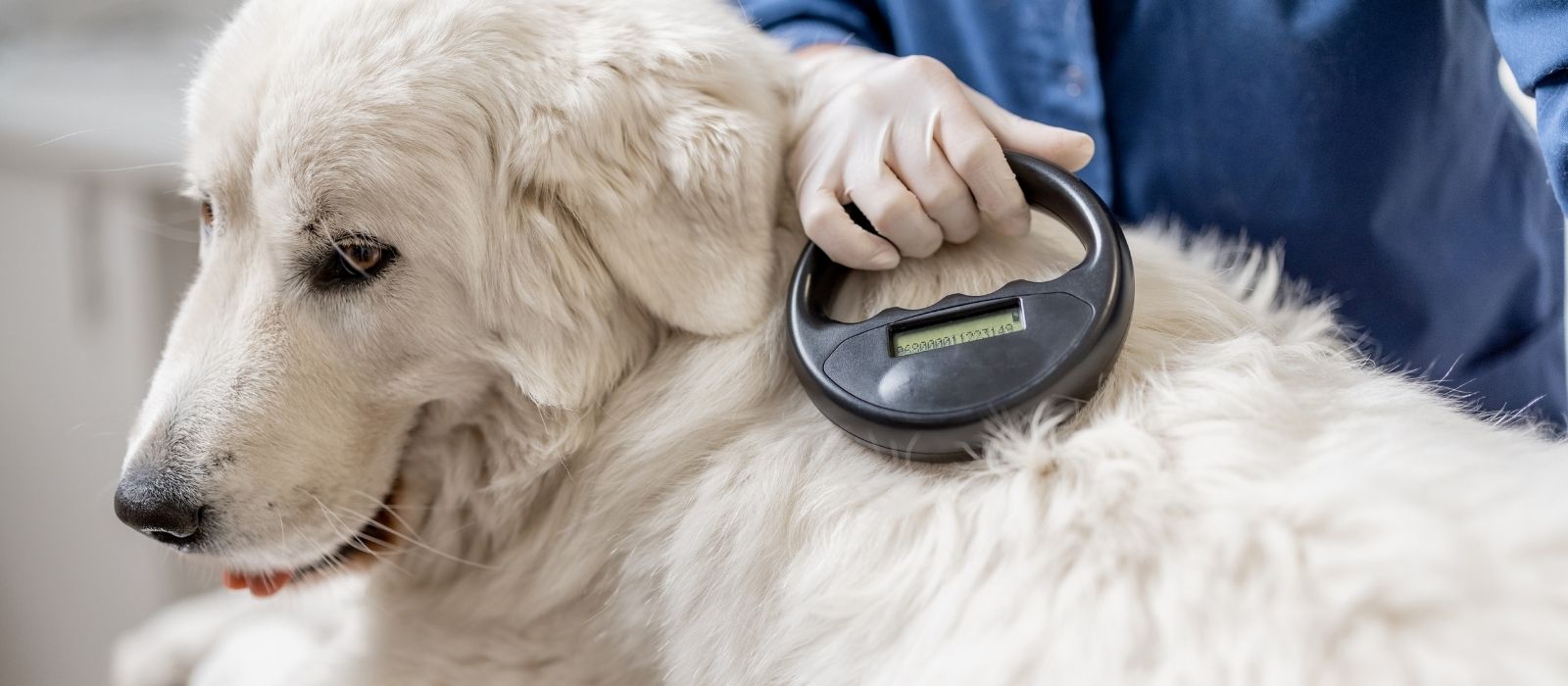
Microchip registration is similar. The chip doesn't change. The registry it's listed in might. Some registries operate nationally. Others are province-specific. If your dog is registered with a BC-only registry and you move to Nova Scotia, you should re-register with a national database to make sure the chip is findable anywhere. Pet microchip laws by province go into which registries operate where and what each province actually requires.
Your Vet Records Don't Move Automatically
This is the one that catches people off guard. Your old vet in Winnipeg has years of records. Your new vet in Halifax has nothing. Those records don't transfer unless you ask, and you have to ask before you leave.
Request a full printed or digital copy of your pet's history before the move. Vaccination records, bloodwork, any diagnoses, prescription history, surgical notes if applicable. Most clinics will provide this without charge. Some charge a small admin fee, usually under $25 CAD.
When you get to your new province, you'll be establishing care with a new vet from scratch. That usually means a full wellness exam before they'll refill any prescriptions. Budget $80 to $160 CAD for that first visit depending on the city. Toronto and Vancouver run higher. Smaller cities in the Maritimes or Prairies tend to be lower.
If your pet is on a long-term medication, talk to your current vet about getting a 90-day supply before you leave. That gives you time to find a new clinic without running out.
Climate Is the Thing Nobody Talks About
Moving from Victoria to Saskatoon in October is a different experience than moving from Edmonton to Halifax. Your pet's body adjusts. But you need to help it along, and the timeline varies by dog.
Short-coated dogs moving from mild coastal BC to the Prairies will feel it fast. Winters in Regina or Winnipeg can hit minus 30 or colder with windchill. Paw protection matters. Salt on city sidewalks causes cracking and can cause chemical burns if your dog licks it. Booties work if the dog tolerates them. Paw wax is a reasonable alternative. Rinse paws after every walk. (Your dog will try to lick the salt off anyway. Don't let them.)
Moving in the other direction, from cold to warm, has its own issues. Tick season in BC's Lower Mainland and southern Ontario is long and starts earlier than most people expect. If you're coming from somewhere with minimal tick pressure, ask your new vet about prevention before you think you need it. By the time you find one on your dog, you're already behind.
Moving to a humid climate can also trigger or worsen skin and allergy issues in dogs that never had problems before. Seasonal allergies shift when the pollen calendar shifts.
What It Actually Costs to Get Settled
People underestimate the pet-related costs of a provincial move. Here's a rough breakdown of what to expect in the first few months:
| Item | Estimated Cost (CAD) |
|---|---|
| New municipal pet licence | $20 to $60/year |
| First wellness exam at new vet | $80 to $160 |
| Rabies booster if records are unclear | $30 to $55 |
| Microchip re-registration (if switching registries) | $0 to $25 |
| Paw protection gear (booties or wax) | $15 to $60 |
| Parasite prevention update | $50 to $120 for a 6-month supply |
None of this is catastrophic. But it adds up fast when you're already absorbing moving costs. Knowing it's coming is better than getting surprised by the vet bill in week three.
The Records Problem Has a Longer Tail Than Expected
Even with a full copy of your pet's records, some things don't translate cleanly. A diagnosis made at one clinic might be described differently in another province's standard terminology. Prescription formats vary. If your dog has a chronic condition, your new vet may want to re-run baseline tests rather than rely entirely on another clinic's readings. That's not unusual. It's also not cheap.
Pet insurance policies can also be affected by a provincial move. Some insurers adjust premiums based on province, because vet costs vary by region. If you have insurance, notify your insurer when your address changes. Don't assume the policy auto-updates. Some do. Some don't. And if you don't have coverage yet, a provincial move is a reasonable moment to look at options, before your new vet flags something that becomes a pre-existing condition.
How settled your pet feels after the move depends a lot on how settled you are. Dogs read stress well. If the first few weeks in a new province are chaotic, expect some behavioural wobble. Appetite changes, clinginess, disrupted sleep. Usually resolves within a few weeks. If it doesn't, that's worth mentioning to your new vet.
The most pet-friendly cities in Canada rundown covers off-leash parks, housing policy, and vet density by city, which can be useful once you're deciding exactly where in a province to land.