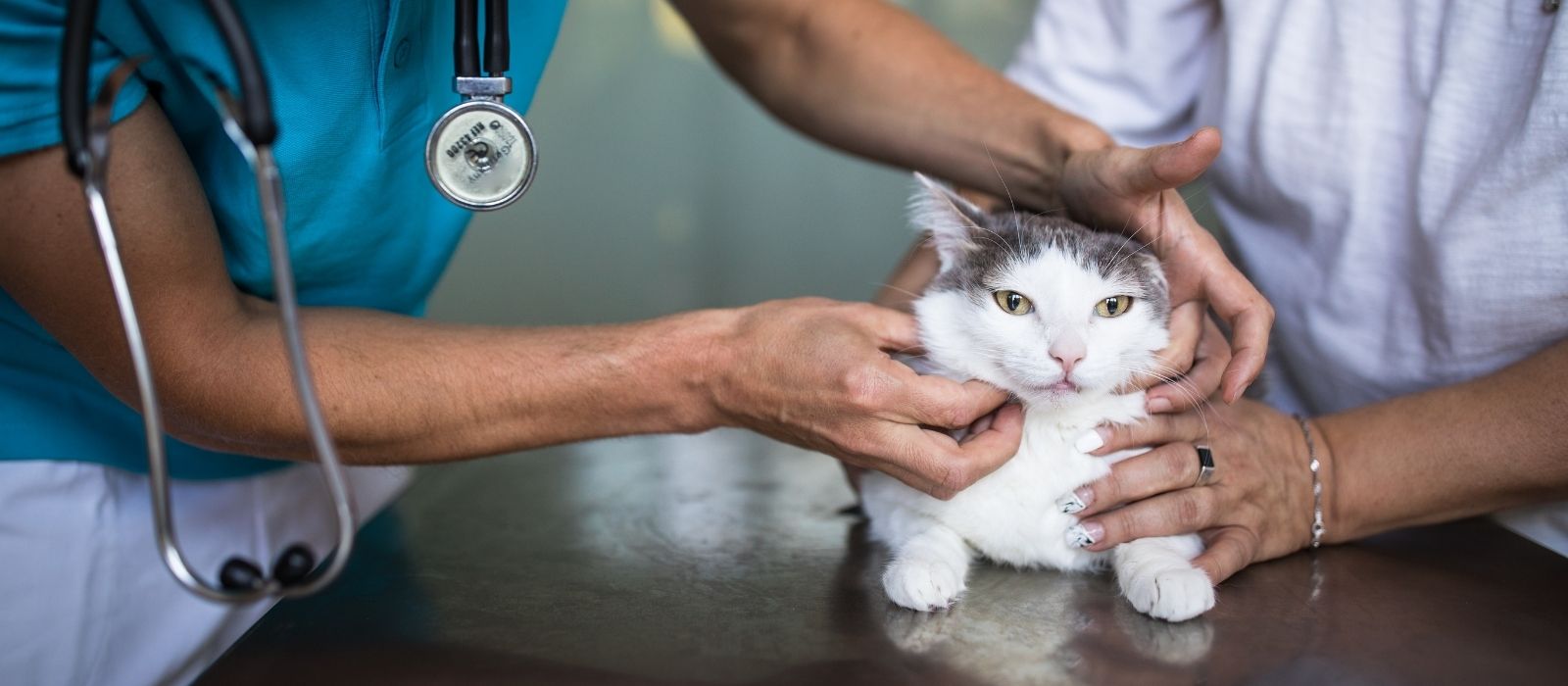

Quebec's pet regulations don't just surprise new residents — they catch seasoned Canadian pet owners off guard too. The province operates differently from the rest of Canada when it comes to everything from microchipping requirements to vaccination records. If you're planning a move to or from Quebec with your furry family, here's what you actually need to know.
Quebec's Unique Pet Identification Laws
Unlike other provinces, Quebec requires all cats and dogs to be microchipped and registered in a provincial database. This isn't optional — it's law as of 2020. The chip must comply with ISO standards, and the registration fee typically runs around $30-40 annually.
What trips up many newcomers is that out-of-province microchips often aren't automatically recognized in Quebec's system. You'll need to re-register your pet's existing chip or get a new one. Most Quebec vets can handle the registration during a regular checkup, but budget extra time for the paperwork.
Vaccination Requirements That Differ
Quebec follows the same core vaccination schedule as other provinces, but enforcement and documentation requirements are stricter. Rabies vaccination certificates must be issued by a Quebec-licensed veterinarian to be considered valid for provincial purposes.
If you're moving from Ontario or BC, your existing vaccination records will be accepted initially, but you'll need Quebec-issued boosters when they're due. This matters most for licensing and boarding facilities, which often require Quebec-specific documentation. Plan for an initial vet visit within the first month to establish local records.
The Language Barrier in Veterinary Care
Montreal has plenty of bilingual and English-speaking vets, but rural Quebec is different. In smaller towns, you might find veterinary staff who speak primarily French. This becomes crucial during emergencies when clear communication about symptoms and treatment is essential.
Before moving, research veterinary clinics in your new area and confirm language availability. Many pet owners create a basic French vocabulary list for common pet health terms — it's surprisingly helpful during routine visits.
Pet Licensing Costs Across Quebec Municipalities
Municipal licensing fees vary dramatically across Quebec. Montreal charges around $25-35 for spayed/neutered dogs and $50-70 for intact animals annually. Quebec City runs similar rates, while smaller municipalities often charge $15-25.
Some Quebec towns offer significant discounts for seniors or multiple-pet households. Others waive fees entirely for service animals or pets adopted from local shelters. Check your specific municipality's website — these details aren't standardized across the province like they are in some other regions.
Housing Challenges That Other Provinces Don't Have
Quebec's rental market operates under different rules than the rest of Canada, and this affects pet owners significantly. The province's residential lease regulations are more tenant-friendly overall, but pet deposits work differently.
Landlords can't charge pet deposits in Quebec — they're prohibited by provincial law. However, they can refuse pets entirely or charge higher base rent for pet-friendly units. Many Montreal landlords build pet fees into the monthly rent rather than charging separate deposits. This often works out better financially for long-term renters but can mean higher upfront costs.
Finding pet-friendly housing in popular areas like Montreal's Plateau or Quebec City's Old Town requires more lead time than similar searches in Toronto or Vancouver. Start your housing hunt at least 2-3 months before your move date.
Winter Weather Preparedness
Quebec winters hit harder and last longer than most of Canada. If you're moving from BC or the Maritimes, your pet's cold weather tolerance needs serious consideration. Short-haired breeds and senior pets particularly struggle with Quebec's extended sub-zero periods.
Paw protection becomes essential — Quebec cities use more road salt than western provinces, and ice buildup between toes causes real problems. Quality booties or paw wax aren't optional accessories here. Many Quebec pet stores stock heavier-duty winter gear than you'll find elsewhere in Canada.
Indoor air quality matters too. Quebec's long heating season means dry indoor air for 5-6 months. Pets with respiratory issues or dry skin often need humidifiers or different grooming routines during winter months.
Veterinary Costs and Insurance Differences
Veterinary fees in Quebec often run 10-15% lower than Toronto or Vancouver, but higher than Maritime provinces. A standard wellness exam typically costs $80-120 in Montreal, while emergency visits can reach $300-500 for initial assessment and basic treatment.
What's different is how Quebec vets handle payment plans and insurance. Many clinics offer more flexible payment arrangements than other provinces, partly due to different provincial regulations around medical debt collection. However, not all national pet insurance companies operate identically in Quebec — some have different coverage limits or exclusion policies.
Before moving, contact your current pet insurance provider to confirm your coverage transfers smoothly to Quebec. Some companies require policy updates or have different participating vet networks in the province. Understanding how pet insurance works across provinces can save you significant costs during the transition.
Emergency Services and After-Hours Care
Quebec's emergency veterinary network operates differently from other provinces. Montreal and Quebec City have 24-hour emergency clinics, but the coverage gets sparse outside major urban centers. Rural areas often rely on on-call arrangements with regular vets rather than dedicated emergency facilities.
If you're moving to rural Quebec, establish relationships with local vets immediately and get their after-hours contact procedures. Some rural Quebec vets cover multiple small towns, so emergency response times can be longer than you're used to in other provinces.
Knowing when your pet needs emergency care becomes even more critical when you're farther from specialized facilities.
Cultural Differences in Pet Care
Quebec's relationship with pets reflects broader cultural differences. Dog parks and off-leash areas operate with different social norms — Quebec dog owners tend to be more hands-off with supervision but stricter about cleanup and noise control.
Cat ownership approaches differ too. Outdoor cats are more accepted in rural Quebec than in other provinces, but Montreal has been moving toward indoor-only policies. Understanding these local attitudes helps you integrate better with neighborhood pet communities.
Pet-friendly businesses and restaurants also operate differently. Quebec has more relaxed policies about well-behaved dogs in certain establishments, but the expectations for pet behavior are often higher. Moving with pets across Canada involves adapting to these regional cultural differences as much as legal ones.
The key to successfully moving to Quebec with pets isn't just understanding the paperwork — it's recognizing that the province genuinely operates as a distinct society within Canada. From veterinary care expectations to winter weather preparation, Quebec requires a different approach to pet ownership. Plan for the administrative differences, but don't underestimate the cultural adjustment period for both you and your pets. Most pet owners find Quebec welcoming once they understand the local systems, but that understanding takes time to develop.