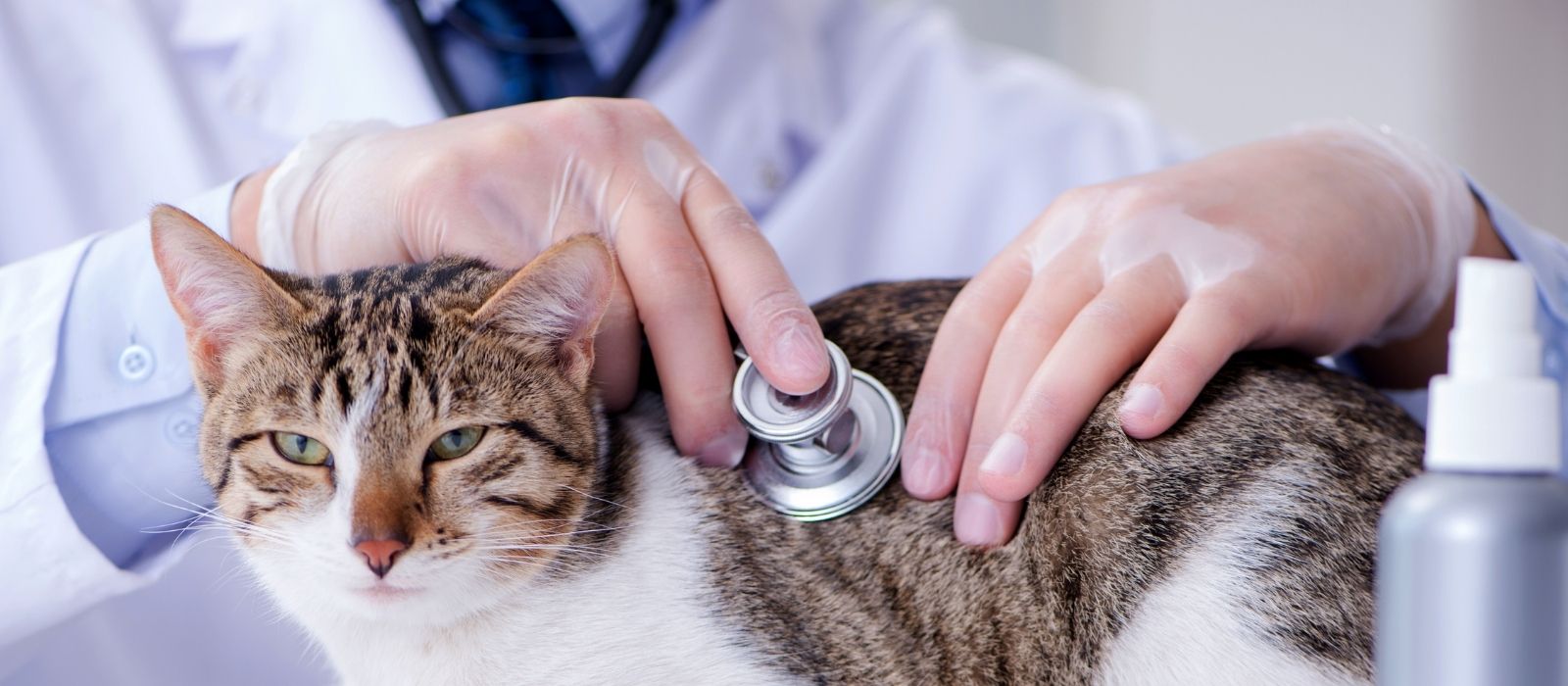
The vet hands you a vaccine schedule at your first appointment and says something like, "We recommend these for all puppies." The list has seven or eight items on it. You nod. You have no idea which ones are legally required, which ones are genuinely important, and which ones are being suggested because the clinic sells them.
Nobody volunteers that information. So you leave having agreed to a $400 vaccine series without understanding what you just bought.
Here's how the actual schedule breaks down, what it costs in Canada right now, and where the upsell pressure tends to show up.
Core Vaccines: These Aren't Optional
Core vaccines are the ones every puppy needs regardless of breed, lifestyle, or where you live. The CVMA dog health guidelines identify four of them: distemper, parvovirus, adenovirus (hepatitis), and rabies. The first three are usually combined into a single shot called the DA2PP or DHPP. Rabies is separate.
Parvovirus alone is worth understanding. It spreads through soil and infected feces, survives Canadian winters without any trouble, and kills puppies fast. This isn't a theoretical risk. It's the reason shelters across Ontario and Alberta quarantine incoming dogs before vaccination status is confirmed.
Rabies is the only vaccine with a legal requirement behind it. Every province mandates it, though the enforcement varies. Ontario requires it under the Dog Owners' Liability Act. BC and Alberta have similar municipal bylaws in most jurisdictions. If your dog bites someone and can't prove current rabies vaccination, the consequences are serious. Keep the certificate.
The core puppy schedule looks like this:
| Age | Vaccine | Notes |
|---|---|---|
| 6-8 weeks | DA2PP (first dose) | Often given by breeder |
| 10-12 weeks | DA2PP (second dose) | Booster required |
| 14-16 weeks | DA2PP (third dose) + Rabies | Final puppy series |
| 12-16 months | DA2PP booster + Rabies booster | Then every 1-3 years depending on product |
If your breeder already gave the 6-8 week dose, tell your vet at the first vet visit. Bring whatever documentation came with the puppy. A good breeder hands you a health record. If yours didn't, that's worth noting. The puppy checklist breeders should give you covers exactly what should be in that package.
Leptospirosis: The One That Actually Depends on Where You Live
Leptospirosis is the most debated non-core vaccine, and the debate is worth having. It's a bacterial disease spread through the urine of infected wildlife, primarily raccoons, skunks, and deer. Dogs catch it by drinking from puddles, ponds, or ditches that wildlife have been near. It causes kidney and liver failure. Treatment runs $1,500 to $4,000 CAD if caught in time.
In BC's Lower Mainland, Ontario's cottage country, and anywhere dogs regularly walk near standing water, lepto is a real risk. The Lower Mainland in particular has seen documented outbreaks in urban dogs, partly because raccoon density is high and rainfall keeps contaminated water pooled year-round. If your dog drinks from puddles on walks, the vaccine is worth it.
In drier Prairie regions, with less standing water and different wildlife patterns, the risk calculation looks different. Not zero. But different. Your vet should be making this recommendation based on your geography and your dog's actual environment, not adding it to every schedule by default.
The lepto vaccine also has a higher rate of adverse reactions than core vaccines, particularly in small breeds. That's not a reason to skip it if the risk is genuine. It's a reason to ask the question before saying yes.
Bordetella and Canine Influenza: What They're Actually For
Bordetella prevents kennel cough. Canine influenza prevents the dog flu. Both are real conditions. Neither is life-threatening for most healthy adult dogs. Both vaccines are typically required by boarding facilities, daycares, and groomers in Canada, which is the actual reason most people get them.
That's a legitimate reason. If your dog is boarding regularly, get the bordetella vaccine. Some facilities require it every six months; most accept annual. The intranasal version tends to work faster than the injection if you're trying to get your dog ready for boarding on short notice.
Canine influenza is less standardized across Canada. Some urban daycares in Toronto and Vancouver require it. Many don't. If your dog never boards or attends group daycare, you probably don't need it. Ask what your specific facility requires rather than guessing.
Lyme vaccine is similar. It's genuinely relevant in tick-heavy regions of Ontario, Manitoba, and Nova Scotia. It's not relevant for a dog who lives in a city and never goes into tall grass or wooded areas. The tick risk in Canada has expanded considerably in recent years, so this is worth revisiting annually rather than deciding once and forgetting it.
What It Actually Costs, Clinic to Clinic
Vaccine pricing in Canada isn't regulated. Clinics set their own fees. The range is wider than most people expect.
| Vaccine | Typical Cost (CAD) | Category |
|---|---|---|
| DA2PP (per dose) | $30 - $65 | Core |
| Rabies | $25 - $50 | Core / legally required |
| Leptospirosis | $30 - $60 | Non-core (geography-dependent) |
| Bordetella | $25 - $50 | Non-core (lifestyle-dependent) |
| Canine influenza | $40 - $75 | Non-core (facility-dependent) |
| Lyme | $35 - $65 | Non-core (region-dependent) |
| Prices vary by clinic and region. Exam fees ($60-$100) are usually charged separately per visit. | ||
Three puppy visits with exam fees and the full core series usually lands between $350 and $600 total. Add the non-core vaccines and that number climbs fast. The first year dog cost by city breaks down how much these numbers shift depending on where in Canada you live. Vancouver and Toronto clinics consistently run higher than smaller markets.
Puppy vaccine packages exist at some clinics and can offer modest savings. Worth asking about upfront, before each appointment, not after.
The Titer Test Option
Titer tests measure whether your dog still has protective antibody levels from previous vaccines. They're used most often for adult dogs approaching booster time, not puppies mid-series. For core vaccines like parvovirus and distemper, some owners use titers to decide whether a booster is actually needed rather than vaccinating on a fixed schedule regardless.
A titer test runs about $80 to $150 CAD depending on which antibodies you're checking and which lab your vet uses. That's sometimes more than the booster itself, which makes the math complicated. The argument for titers is avoiding over-vaccination. The argument against is that the test costs money too, and most core vaccine boosters at the 1-year mark are genuinely warranted anyway.
Titers don't apply to rabies in most provinces. Because rabies vaccination is a legal requirement, documented vaccination is what counts, not demonstrated immunity. A clean titer result won't satisfy a bylaw officer.
It's a legitimate conversation to have with your vet for the 3-year booster decision. For a puppy completing their initial series, the schedule stands.
The Conversation Worth Having at the Appointment
When your vet recommends a non-core vaccine, three questions cut through most of the noise. First: is this disease present in my area right now, or is this precautionary? Second: what's the reaction risk for my breed? Third: does my dog's lifestyle actually create exposure risk?
A vet who recommends lepto for a dog that lives in a downtown condo and walks on sidewalks isn't necessarily wrong. They're being cautious. But caution costs money, and you're allowed to know what you're deciding. That's not being a difficult client. That's being an owner who pays attention.
Some clinics offer wellness plans that bundle vaccines with exams and other preventive care into a monthly fee. These can represent genuine value or they can lock you into paying for services you won't use. Read what's included before you sign. The math only works if your dog actually needs everything in the bundle.
What nobody tells you before you bring a puppy home: the first four months of vet visits feel relentless, and the bills stack up faster than the warnings suggested. That's normal. It levels out. But going in with a clear sense of which vaccines are non-negotiable and which ones require a conversation makes those appointments go differently.