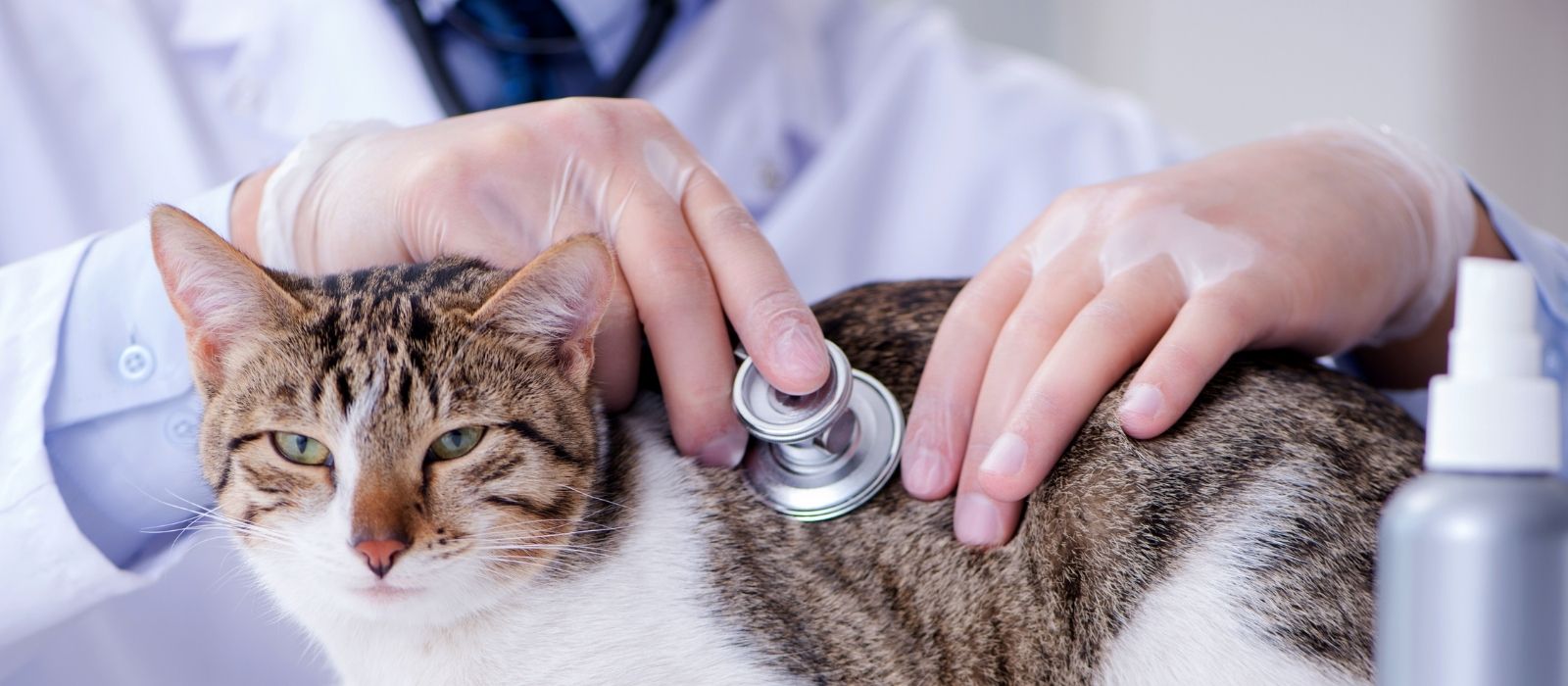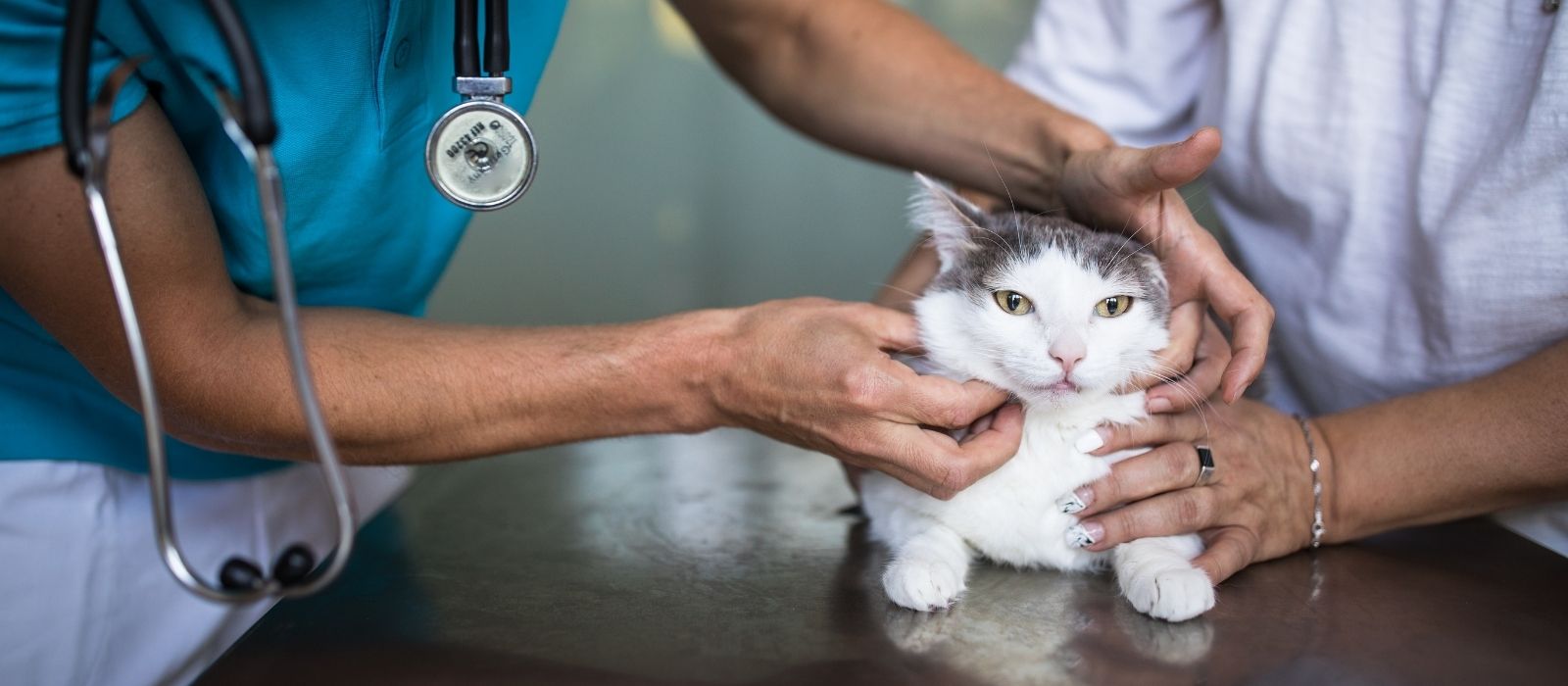

Your dog walks into the vet's office, and within 60 seconds, the veterinarian has already gathered a surprising amount of information. They're not just making small talk while getting familiar with your pet. Those first moments involve a systematic visual assessment that often reveals more about your dog's health than you might expect.
What exactly are they looking for? And how can understanding this process help you become a better advocate for your dog's health?
The Walk-In Assessment Begins at the Door
Most veterinarians start their evaluation the moment your dog enters the exam room. They're watching how your dog walks, whether they favor one leg, if their gait seems stiff or loose. A healthy dog typically moves with fluid, even steps.
Dr. Sarah Chen at Vancouver Animal Hospital often spots early arthritis just from watching senior dogs navigate from the waiting room to the scale. "You can see the subtle compensation patterns before the owner even mentions any limping," she explains.
They're also noting your dog's energy level and demeanor. Is your normally bouncy Golden Retriever unusually subdued? That shift in behavior often signals illness before physical symptoms appear.
Body Condition Gets Immediate Attention
Weight assessment happens within seconds. Veterinarians can typically estimate if a dog is overweight, underweight, or ideal just by visual observation. They're looking at the waist tuck when viewed from the side, and whether they can see the outline of ribs without pressing.
This matters because weight issues affect nearly 60% of Canadian dogs, according to many veterinary practices across provinces like Ontario and British Columbia. Excess weight complicates everything from joint health to anesthesia risk during procedures.
Your vet might also notice muscle loss, which can indicate underlying illness, poor nutrition, or age-related changes that need attention.
Breathing Patterns Tell a Story
Normal dogs breathe about 15-30 times per minute at rest. Your vet notices if your dog is panting excessively in a cool room, breathing rapidly, or showing any signs of respiratory distress.
Heavy panting in Calgary's winter weather inside a clinic often signals stress, pain, or respiratory issues. Shallow breathing might indicate chest pain or lung problems.
They're also listening for unusual sounds. Wheezing, harsh breathing, or a honking cough can point to specific conditions that need immediate investigation.
Eyes Reveal Internal Health
A quick glance at your dog's eyes provides valuable information. Clear, bright eyes with normal tear production indicate good health. Veterinarians immediately notice cloudy eyes, excessive tearing, or discharge.
The color of the whites of the eyes matters too. Yellow tinting can suggest liver problems, while very pale gums and eye membranes might indicate anemia.
Eye position also counts. If one eye appears sunken or both eyes seem withdrawn into the skull, it often signals dehydration or significant illness.
Coat Quality Reflects Overall Wellness
Your dog's coat condition provides insight into nutrition, hormones, and general health. A healthy coat appears shiny and feels smooth to the touch. Dull, brittle, or patchy fur often indicates underlying problems.
Excessive shedding, bald spots, or skin irritation catch a veterinarian's attention immediately. These issues can stem from allergies, hormonal imbalances, poor nutrition, or stress.
Dogs with thyroid problems often develop characteristic coat changes that experienced vets recognize right away.
Posture and Movement Patterns
How your dog holds their body speaks volumes. A hunched back might indicate abdominal pain, while a head tilt could suggest ear problems or neurological issues.
Tail position and movement also provide clues. A tail held low or tucked can indicate pain, fear, or illness. Lack of normal tail wagging in typically social dogs often signals that something's wrong.
Your vet watches for subtle signs like reluctance to sit, difficulty getting up, or hesitation to jump onto the exam table. These behaviors often precede obvious lameness by weeks or months.
Understanding the early signs that indicate your dog might be feeling unwell helps you spot these changes at home too.
Facial Expression and Alertness
Dogs communicate discomfort through facial expressions more than most owners realize. Veterinarians look for subtle signs like squinting, which often indicates pain, or a glazed or distant expression that can signal illness.
Alertness to surroundings matters too. A normally curious dog that seems disconnected or unresponsive to their environment raises red flags.
Head shaking, pawing at the face, or tilting the head repeatedly often points to ear infections or other head-related problems.
Interaction with Owner Provides Context
Your vet observes how your dog interacts with you during these first moments. Dogs in pain often seek more comfort from their owners or, conversely, might become more withdrawn.
They notice if your typically social dog seems clingy or if your independent dog suddenly wants constant attention. These behavior changes often correlate with physical discomfort or illness.
The way you handle your dog also provides information. If you're being unusually gentle with a specific area or if your dog flinches when you touch certain spots, it guides the veterinarian's examination focus.
Temperature Regulation and Comfort Level
Your dog's response to the clinic environment tells your vet about their overall condition. Excessive panting in moderate temperatures might indicate fever, stress, or pain.
Shivering in a warm room can signal illness, while seeking out cool surfaces might indicate fever or discomfort.
Dogs feeling unwell often position themselves differently than healthy dogs. They might stand rather than sit, or repeatedly change positions as they try to get comfortable.
Many veterinary visits could be more productive if pet owners knew when symptoms require immediate attention versus routine care.
What This Means for Pet Owners
Understanding what your veterinarian notices in those first 60 seconds can help you become more observant at home. Start paying attention to your dog's normal patterns, so you'll recognize when something changes.
Keep a mental note of your dog's typical energy level, appetite, bathroom habits, and social behavior. When you notice deviations from normal, you can provide more specific information to your vet.
This observational period also helps veterinarians prioritize their examination. If they spot something concerning right away, they can adjust their approach and focus on the most pressing issues first.
The Canadian Veterinary Medical Association emphasizes that early detection of health problems leads to better outcomes and often lower overall treatment costs compared to waiting until symptoms become severe.
Those first 60 seconds aren't just a warm-up, they're a crucial diagnostic window that sets the tone for your entire veterinary visit.