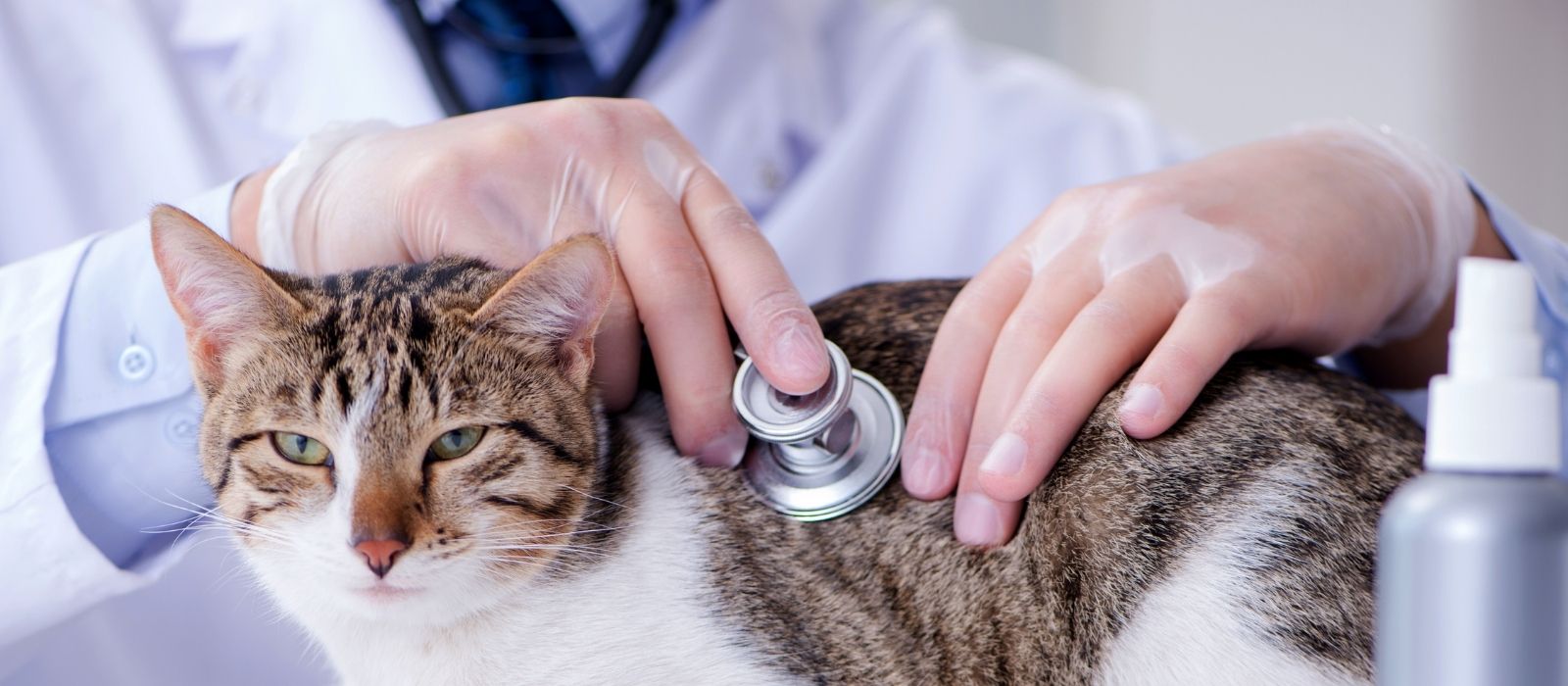
Your dog has been panting through every thunderstorm for three years. Or they've destroyed two couches while you were at work. Or they shake for an hour after every car ride. You've tried the thunder shirt, the calming treats, the YouTube videos of rainforest sounds. Nothing has worked. Now you're asking your vet about medication, and suddenly there are a lot of options on the table, a lot of brand names you've never heard, and a price range that spans from "fine" to "that's my grocery budget."
Anxiety medication for dogs is more common than most owners realize. The CVMA dog health resources acknowledge behavioral issues as a leading reason Canadians bring their dogs to the vet. That doesn't mean medication is always the right call. But when it is, understanding what your vet is likely to prescribe, why, and what it'll actually cost you in Canada can save you a lot of confusion at the pharmacy counter.
The Medications Your Vet Is Actually Prescribing
Most vets in Canada work from a short list of go-to options. The drugs themselves aren't exotic. Several are human medications prescribed off-label for dogs, which is legal and common in veterinary practice.
Trazodone is probably the most frequently prescribed for situational anxiety. Fireworks, vet visits, travel. It works fast, usually within an hour, and wears off in a few hours. It doesn't sedate heavily, which makes it more functional than older options like acepromazine. Most vets have moved away from acepromazine for anxiety specifically because it removes the physical response to fear without actually reducing the fear itself. That's a problem.
Fluoxetine (Prozac, essentially) is for ongoing anxiety, not acute events. It takes four to six weeks to build up. You won't see results the first week. Separation anxiety, generalized anxiety, compulsive behaviors — this is where fluoxetine tends to get prescribed. It's given daily, indefinitely in many cases, and needs regular monitoring.
Clomipramine (sold as Clomicalm) is the only drug specifically licensed for separation anxiety in dogs in Canada. It's a tricyclic antidepressant. Similar timeline to fluoxetine, similar use case, but with a slightly different side effect profile. Some dogs tolerate one better than the other. Hard to predict which until you try.
Alprazolam and diazepam (benzodiazepines) are still used, mostly for severe situational anxiety or as an add-on. They're controlled substances in Canada, which means your vet needs to handle the prescription differently. Refills aren't automatic. Keep that in mind if you're managing something like noise phobia every Canada Day and New Year's.
What It Costs in Canada
Prices vary depending on where you live, whether you use a veterinary compounding pharmacy, and whether the drug is available at a human pharmacy (which is usually cheaper). These are ranges based on what Canadian pet owners are actually paying, not list prices from a manufacturer.
| Medication | Use Case | Approx. Monthly Cost (CAD) | Available at Human Pharmacy? |
|---|---|---|---|
| Trazodone | Situational anxiety | $15–$40 per 30 tablets | Yes, often |
| Fluoxetine | Ongoing/generalized anxiety | $20–$50/month | Yes |
| Clomipramine (Clomicalm) | Separation anxiety | $60–$120/month | Veterinary only |
| Alprazolam | Severe situational/add-on | $20–$60 per prescription | Controlled, varies by province |
| Gabapentin | Anxiety + pain combo | $25–$55/month | Yes |
Trazodone and fluoxetine are genuinely affordable when filled at a human pharmacy. Ask your vet to write a prescription you can take to Shoppers Drug Mart or a local pharmacy. Not all vets volunteer this. Some will, some won't. If yours doesn't mention it, ask directly. The price difference can be $40 to $80 a month depending on the drug and the dose.
Clomicalm is pricier because it's a branded veterinary product without a cheap generic equivalent widely available in Canada. That's worth knowing before your vet writes the prescription, especially if you're planning long-term use.
Before the Prescription: What the Vet Visit Looks Like
The consultation itself will cost you $80 to $160 in most Canadian cities, more in Vancouver or Toronto. If you're being referred to a veterinary behaviorist, that's a different conversation. Specialist appointments can run $300 to $500 for the initial assessment, and there aren't many behaviorists in Canada. Wait times in Ontario and BC can stretch to several months.
Your vet should take a full behavioral history before writing anything. When does the anxiety happen? How does your dog express it? How long has it been going on? What have you already tried? If your vet spends four minutes on this and immediately hands you a prescription, that's a flag. Good behavioral medicine takes time to assess. If you feel like the appointment was rushed, that's worth noting — the article on whether your vet is overcharging you has some practical questions to ask.
Blood work is often recommended before starting daily medications like fluoxetine or clomipramine. Usually $80 to $150. It's checking liver and kidney function, which matters because these drugs are metabolized there. Some vets skip this step for young, healthy dogs. Others won't prescribe without it. Neither approach is wrong, exactly, but you should understand why they're recommending it before you pay for it.
Medication Without Behavior Work Is Usually Not Enough
This is the part a lot of owners don't want to hear. Medication reduces the anxiety response enough for training to work. It doesn't replace the training. A dog on fluoxetine who gets no behavior modification is still a dog with anxiety. They're just a slightly calmer version of the same problem.
The Ontario Veterinary College at the University of Guelph has published extensively on this. Their position is consistent with most veterinary behavioral medicine: pharmacological treatment is most effective when combined with a structured desensitization and counterconditioning plan. Medication lowers the floor. Training builds the ceiling.
What that actually means in practice: you'll need a trainer, ideally one who understands fear-based behavior and uses positive reinforcement methods. That costs money. Group classes in Canada run $150 to $300 for a six-week session. Private sessions are $80 to $150 per hour. That adds up fast when you're also paying for monthly medication and follow-up vet visits.
Worth mentioning: anxiety that shows up after age two or three, with no clear trigger and no early behavioral warning signs, sometimes has an underlying medical cause. Thyroid issues, pain, neurological changes. This is especially relevant for dogs who haven't had a thorough baseline physical recently. Treating anxiety without ruling out pain, for example, is a common miss.
The Socialization Connection Most People Don't Know About
Anxiety in adult dogs very often traces back to early development. The socialization window between three and sixteen weeks is when puppies form their baseline sense of what's safe and what isn't. Miss that window, or fill it with stressful experiences, and you're often managing the consequences for the dog's entire life.
Rescue dogs are overrepresented in anxiety diagnoses, partly for this reason. If your dog came from a shelter or unknown background, their early months may have included things you'll never fully know about. That's not your fault. But it does shape which interventions work and which don't. Understanding those early development windows is useful context even if you're dealing with an adult dog now.
Bear was about a year old when I adopted him. Lab face, mystery everything else. Separation anxiety for the first six months. We did the medication conversation, landed on trazodone for specific triggers (the vacuum, mostly, plus anything involving a broom), and paired it with a trainer. It took time. The trazodone helped. The training helped more. Neither one alone would have been enough.
Gabapentin: The One That Often Gets Overlooked
Gabapentin doesn't get mentioned first in most anxiety conversations, but it probably should come up more. It was originally an anticonvulsant and pain medication, and it's used off-label for anxiety in dogs and cats across Canada. It works differently than SSRIs or benzodiazepines. For dogs where anxiety and pain overlap — older dogs, dogs with joint issues, dogs who've been through surgery — it's worth asking about specifically.
It's also relatively cheap and available at human pharmacies. Around $25 to $55 a month for most dogs, depending on weight and dose. Side effects are generally mild. Some sedation, particularly at the start. Most dogs adjust within a week or two.
The honest answer is that there's no clean formula for which drug works for which dog. Your vet is making an educated guess based on the behavioral profile, the dog's history, and what they've seen work in practice. Sometimes the first choice is wrong. Sometimes you're on the third medication before something clicks. That uncertainty is frustrating when you're already deep into it, and there's no good way to shortcut it.