
Your Toronto condo is 450 square feet, your Vancouver studio has one window, and your Montreal walk-up has radiators from 1975. But you still want a dog. The good news? Size isn't everything when it comes to apartment living, and Canada's climate zones actually work in your favor for certain breeds.
The key is matching energy levels, not just square footage. Some large breeds are perfectly happy lounging all day, while tiny terriers will tear up your security deposit if they're bored.
Understanding Canada's Climate Zones for Dog Selection
Canada's weather patterns make some breeds natural fits for apartment life. Prairie winters in Calgary and Winnipeg favor dogs that don't need daily outdoor marathons. Coastal cities like Vancouver and Halifax have milder temperatures but more rain, which affects exercise routines.
Cold-weather breeds often have lower exercise needs during winter months. They're content with shorter walks and indoor play sessions. Heat-sensitive breeds struggle less in Canadian summers compared to places like Arizona or Texas.
Your heating bill matters too. Double-coated breeds like Golden Retrievers can overheat in small, well-heated apartments. Single-coated breeds typically adapt better to indoor temperatures year-round.
Top Small Breeds for Canadian Apartment Life
French Bulldogs top most apartment lists for good reason. They're low-energy, quiet, and handle cold weather reasonably well with a coat. The downside? Toronto and Vancouver breeders often charge $3,000-5,000 CAD for well-bred puppies.
Cavalier King Charles Spaniels adapt to any living situation. They're small enough for tiny spaces but robust enough for Canadian winters with proper gear. Many Vancouver apartment buildings specifically allow this breed because they're known for being quiet.
Boston Terriers work well in cities like Montreal and Ottawa. They're sturdy, low-maintenance, and don't shed excessively. Their short coat means they'll need winter gear, but they don't track in mud and snow like longer-haired breeds.
Surprising Large Breeds That Work in Apartments
Greyhounds are apartment legends. These 60-70 pound dogs sleep 18-20 hours a day and need less exercise than most small terriers. Toronto Greyhound Adoption groups report excellent success rates in downtown condos.
Great Danes earn the nickname "gentle giants" for their calm apartment demeanor. They're surprisingly low-energy and don't require huge amounts of space to lounge. The challenge is finding pet-friendly buildings in cities like Vancouver where weight restrictions often cap at 40-50 pounds.
Mastiffs follow similar patterns. They're content being couch potatoes most of the day. But at 120-180 pounds, they're only realistic if you're in a ground-floor unit or a building with freight elevators.
Breeds to Avoid in Small Spaces
Border Collies are brilliant but need jobs. Without sufficient mental stimulation, they'll create their own entertainment by shredding furniture or barking at every hallway noise. Calgary dog trainers report high surrender rates for this breed from apartment owners.
Siberian Huskies were bred to run 50+ kilometers in arctic conditions. A 20-minute walk around the block in Regina won't cut it. They'll howl, dig (even on hardwood floors), and escape any chance they get.
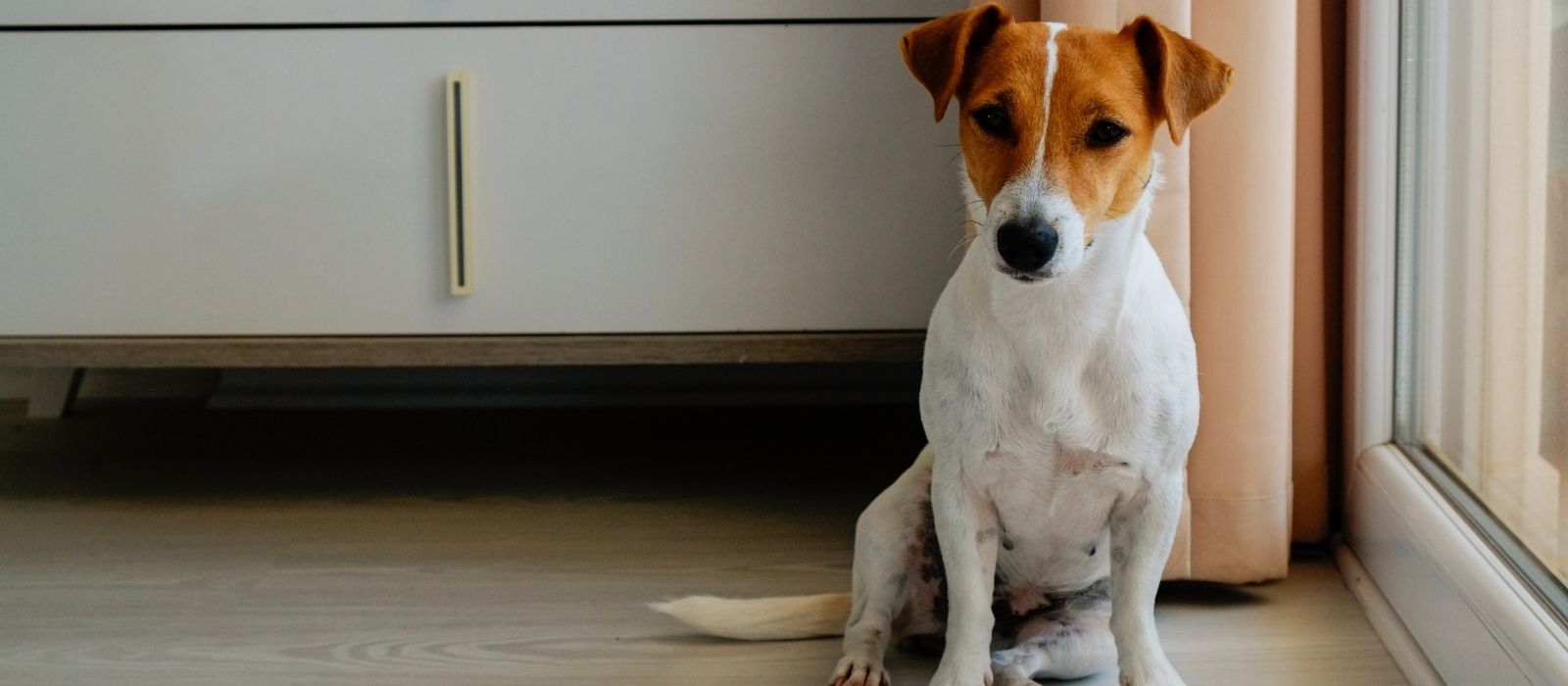
Jack Russell Terriers pack hunting instincts into small bodies. They're incredibly vocal and will bark at neighbors walking past your door. Montreal apartment dwellers often face noise complaints with this breed.
Most hunting breeds like German Shorthaired Pointers need intense daily exercise that apartment living can't provide consistently, especially during harsh Canadian winters.
Climate-Specific Considerations by Region
Prairie provinces like Saskatchewan and Alberta have extreme temperature swings. Breeds with moderate coats like Labs or Golden Retrievers adapt well, but they need space to burn energy when outdoor time is limited during -30°C cold snaps.
Atlantic Canada's humidity and frequent rain favor breeds that don't mat easily. Poodles and Portuguese Water Dogs handle the moisture well, though they require professional grooming every 6-8 weeks.
British Columbia's mild coastal climate opens up more breed options. Even heat-sensitive breeds like Pugs can thrive in Vancouver apartments since summers rarely exceed 25°C for extended periods.
Northern territories present unique challenges. Dogs need extreme cold tolerance, and vet care can be limited. Hardy breeds like Canadian Eskimo Dogs are obvious choices, but they're working breeds that need significant exercise and mental stimulation.
Exercise Solutions for Apartment Dogs
Canadian winters force creativity. Many Toronto and Montreal apartment buildings now feature indoor dog runs or have partnerships with nearby facilities. Some condo buildings in Vancouver include dedicated dog washing stations and storage for winter gear.
Puzzle toys and food-dispensing games become essential during blizzards. Mental exhaustion works as well as physical exercise for most breeds. Rotating toys weekly keeps dogs engaged when outdoor time is limited.
Dog daycare fills gaps during extreme weather. Cities like Calgary and Edmonton have facilities that specialize in apartment dogs, offering socialization and exercise when owners are working 10-hour days.
Treadmills designed for dogs work for some breeds, though most Canadian apartment dwellers find them too noisy for neighbors below.
Practical Considerations Beyond Breed Selection
Pet deposits and monthly fees vary wildly across Canadian cities. Toronto often requires $300-500 deposits plus $25-50 monthly pet rent. Vancouver's tight rental market means some landlords refuse pets entirely, regardless of breed.
Vet accessibility matters in apartments. Urban areas like Ottawa and Halifax have 24-hour emergency clinics within reasonable distance. But apartment dogs often face unique health challenges like weight gain from limited exercise or anxiety from noise.
Grooming becomes more frequent in small spaces. Professional services in major Canadian cities typically charge $60-120 CAD depending on breed size and coat type. Regular grooming reduces shedding and odors that become more noticeable in confined spaces.
Building policies often specify weight limits, breed restrictions, or require references from previous landlords about pet behavior. Research these requirements before falling in love with any particular breed.
Making Your Final Decision
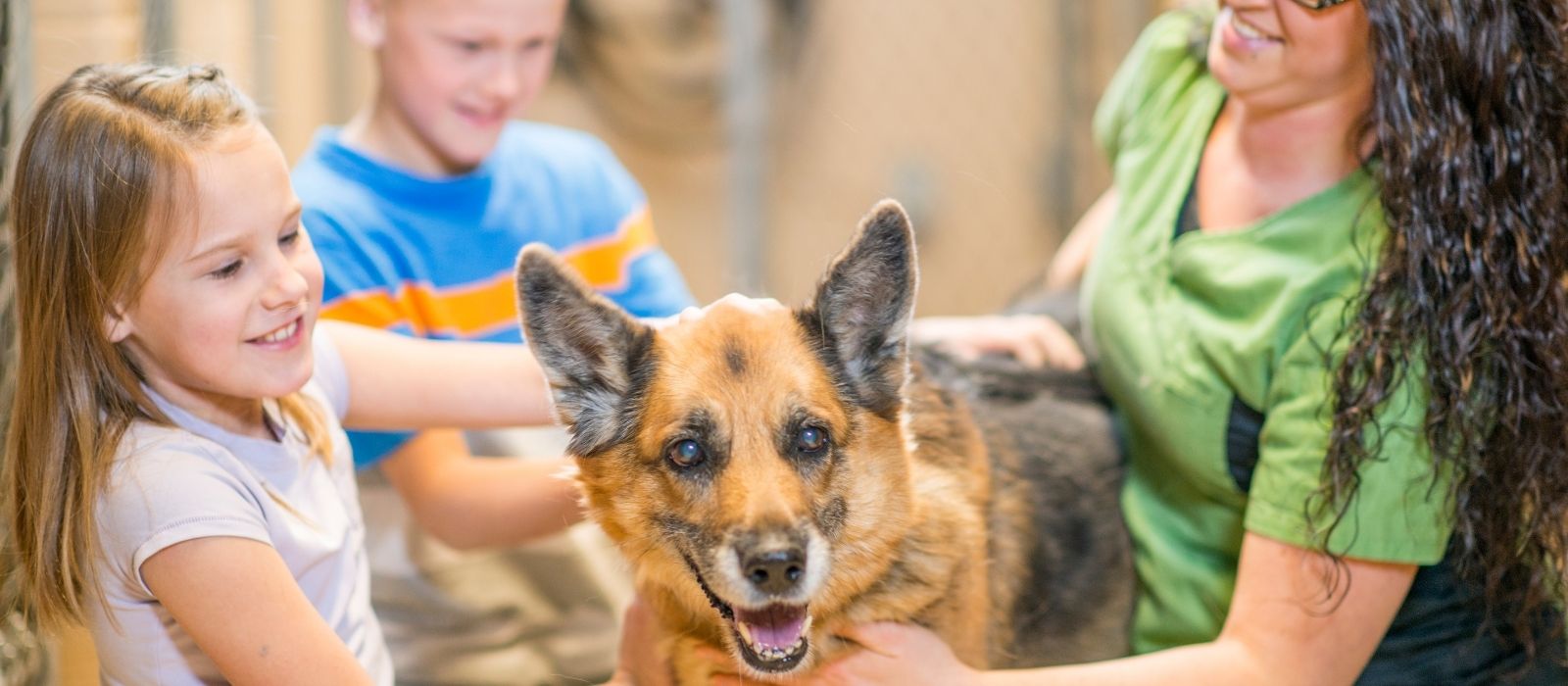
Visit local shelters and meet individual dogs rather than choosing breeds from photos. Toronto Humane Society and similar organizations across Canada often have breed-specific rescue groups that understand apartment living challenges.
Consider adult dogs over puppies. A two-year-old dog's personality and energy level are established, making apartment compatibility easier to assess. Many Canadian rescues offer trial periods specifically for apartment dwellers.
Factor in your work schedule honestly. A dog that's perfect for apartment living still needs consistent care, exercise, and attention. If you're working 12-hour shifts in Alberta's oil patch or travelling frequently, even low-maintenance breeds will struggle.
Climate change is affecting Canadian weather patterns, so choose breeds that can adapt to both traditional and evolving seasonal conditions. The perfect apartment dog for your situation might not be the breed you initially imagined, but the right match will make your small space feel like home for both of you.