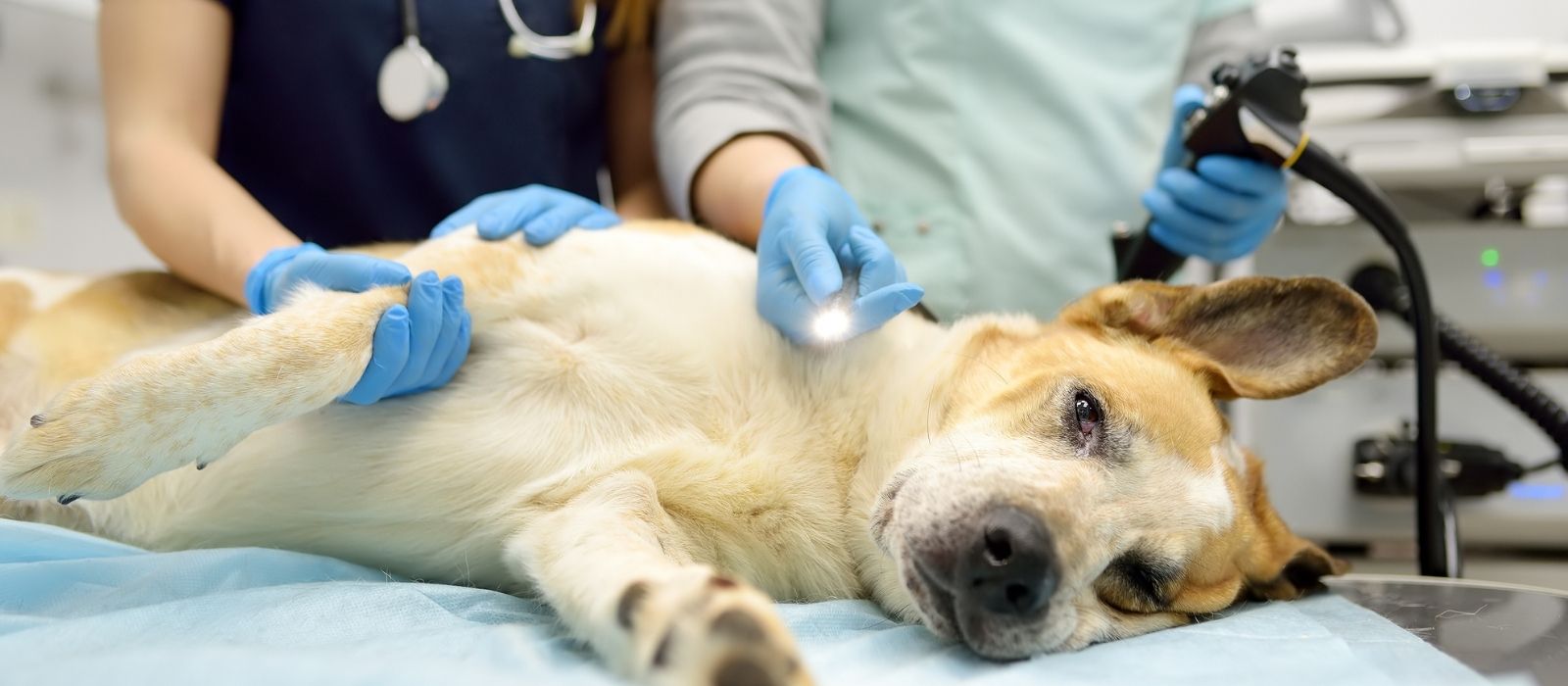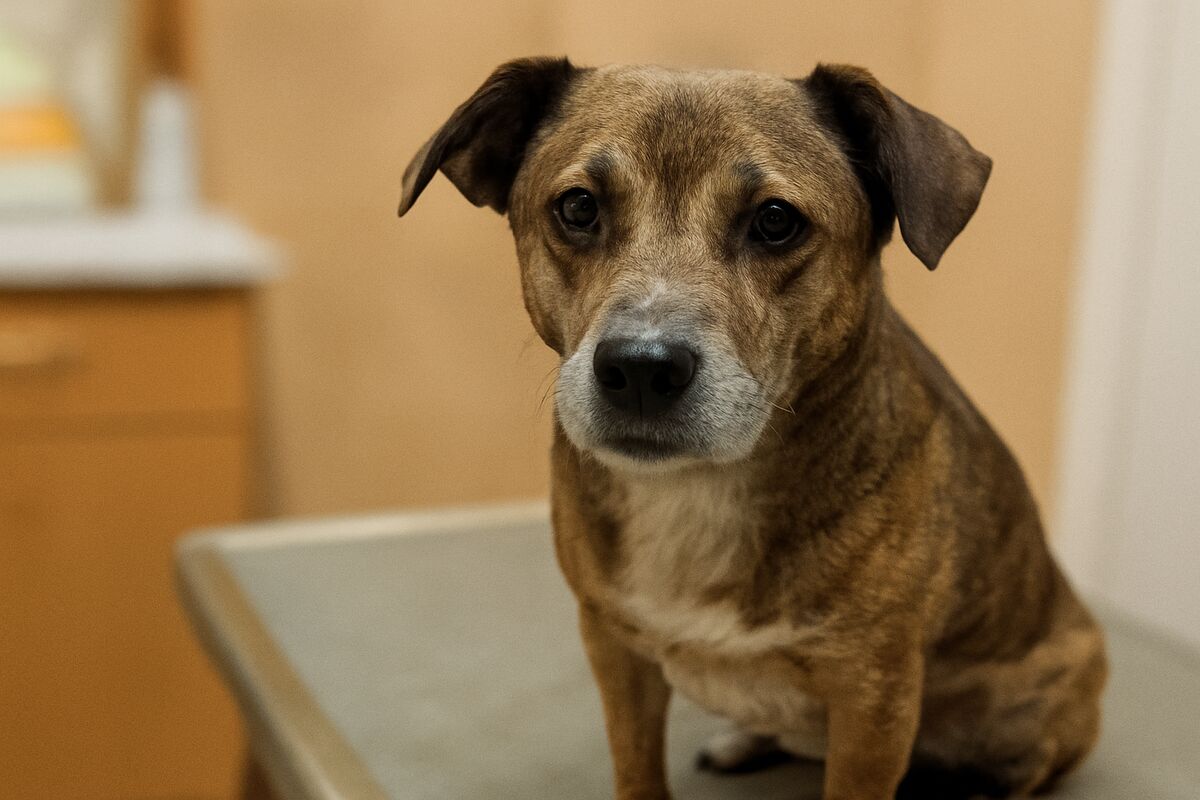

The bill comes up on the screen and your stomach drops. The vet is looking at you, the receptionist is looking at you, and your dog is on the table looking at nobody because he just had bloodwork and doesn't care about the financial logistics. You need $800 you don't have, and you need it now.
This situation happens to Canadian pet owners every single day. And the information about what help actually exists is scattered across provincial websites, charity databases, and Facebook groups that nobody finds until it's too late. So here's the full list, in one place, updated for 2026.
One thing to know going in: most of these programs are underfunded. Some have waitlists. Some are regional. Apply to more than one at a time, and don't wait until you're already in debt to look them up.
National Programs Worth Knowing First
The PAWS (Providing Animals With Support) program run by Humane Canada is the closest thing Canada has to a national safety net for veterinary costs. They connect pet owners with regional humane societies that offer low-cost clinics, subsidized services, and emergency funds. Coverage varies dramatically by province, so the national portal is a starting point, not a guarantee.
The RedRover Relief Fund offers grants for urgent medical care. Applications are reviewed quickly, and they've helped Canadian pet owners cover emergency surgeries and cancer treatment. Grants typically range from $100 to $500 CAD, which won't cover a full surgery but can reduce what you owe to something manageable. Combine it with a payment plan from your vet and the math sometimes works out.
The Pet Fund is US-based but accepts applications from Canadian residents for non-basic, non-emergency treatments like cardiac surgery or cancer care. Processing takes longer than RedRover. If you're dealing with a chronic condition rather than an acute emergency, start this application early.
Province-by-Province Breakdown
Programs aren't distributed evenly across Canada. Ontario and BC have the most options. The Prairies and Atlantic provinces have fewer, and rural access is worse everywhere.
| Province | Key Programs | What They Cover |
|---|---|---|
| Ontario | Ontario SPCA low-cost clinics, Toronto Humane Society, Farley Foundation | Spay/neuter, vaccines, emergency grants for low-income owners |
| British Columbia | BC SPCA Spay/Neuter Assistance Program (SNAP), ROAM program | Subsidized sterilization, low-cost wellness clinics |
| Alberta | Edmonton Humane Society, Calgary Humane Society | Low-cost clinics, surrender prevention in some cases |
| Quebec | SPCA Montréal, SPA Québec low-cost clinics | Vaccines, spay/neuter, some emergency support |
| Saskatchewan | Saskatoon SPCA, Regina Humane Society | Spay/neuter subsidies, limited emergency funds |
| Maritimes | Nova Scotia SPCA, PEI Humane Society | Wellness clinics, reduced-cost services for income-qualified owners |
The Farley Foundation in Ontario deserves special mention. It's specifically for low-income pet owners who already have a relationship with a veterinary clinic, covering up to $1,500 CAD per pet per year toward medically necessary care. Your vet applies on your behalf, which removes some of the administrative burden when you're already stressed. If you're in Ontario and you haven't heard of this, tell your vet at your next appointment.
What Your Vet Can Actually Do (And What to Ask)
Most clinics don't advertise payment plans. That doesn't mean they don't offer them. Ask directly: "Do you offer payment plans or do you work with any financing options?"
Scratchpay and Paybright are the two most common third-party financing options accepted by Canadian vet clinics. Scratchpay offers zero-interest plans for 100-day terms, which is genuinely useful for mid-size bills in the $500 to $1,500 range. Paybright (now Affirm) handles larger amounts over longer periods. Approval is based on a soft credit check and takes minutes. Neither option is free money, but they turn a bill you can't pay today into one you might be able to manage over three to six months.
If your clinic doesn't use either, ask about CareCredit, which also has Canadian acceptance. Worth knowing before you need it. If you're already dealing with an unexpected surgery bill, the Dog Surgery Costs breakdown on this site can help you tell whether the quote you're looking at is in the right range before you sign anything.
Some vets will also reduce fees directly for demonstrable hardship. This isn't advertised because they can't offer it to everyone, but many veterinarians trained specifically to help animals and they don't enjoy turning away a sick pet. Be direct and honest. Bring documentation if you have it. The worst they can say is no.
When It's an Emergency and There's No Time to Apply
Emergency visits run $500 to $2,000 CAD for the initial assessment alone, depending on what's happening and where you are. That's before treatment. For a full picture of what those costs look like, the Emergency Vet Costs breakdown explains what drives the numbers at after-hours clinics specifically.
In a true emergency, the most direct options are RedRover Relief (they have an emergency line and faster processing than their standard grants) and your own network. Crowdfunding via GoFundMe for pet medical bills is surprisingly effective when shared through local community groups. It's not a system. But it works more often than people expect, particularly in smaller communities across the Prairies and Maritimes where local networks are tight.
Veterinary schools also run teaching clinics at reduced rates. The Ontario Veterinary College at the University of Guelph offers services through their Health Sciences Centre, often at a fraction of private clinic pricing. Wait times can be longer. The care is supervised by licensed specialists. For non-emergency chronic conditions, this is an underused option, especially for residents in southern Ontario who can make the drive to Guelph.
Pet Insurance: The Option That Only Works Before You Need It
This section exists because someone reading this is about to realize they should have gotten pet insurance six months ago. That's genuinely frustrating. Pet insurance in Canada doesn't cover pre-existing conditions, so if your dog already has the problem, you're not going to be helped by a policy you buy today.
That said, if you're reading this during a stable period and your pet is healthy, monthly premiums typically run $40 to $120 CAD depending on breed, age, and coverage level. Some plans include emergency care. Some exclude it. The fine print matters a lot here, and comparing Canadian plans is worth doing carefully rather than grabbing the cheapest option.
What insurance actually solves is the second, third, and fourth bill for a dog with an ongoing condition. The first emergency still often hits before coverage kicks in or while a claim is being processed. Realistically, insurance and an emergency fund work better together than either one alone. Most Canadian pet owners have neither, which is why these programs exist.
Low-Cost Clinics and What They Actually Offer
Low-cost doesn't always mean limited. Many clinics run by humane societies offer full wellness services: vaccines, heartworm testing, flea and tick prevention, microchipping, and spay/neuter at 40 to 60 percent below private clinic rates. The Canadian Veterinary Medical Association maintains a public resource directory that can point you toward accredited clinics in your region.
What low-cost clinics typically don't offer: diagnostics for complex conditions, surgery beyond routine procedures, specialist referrals. They're built for preventive care and basic illness, not for a dog who's just been hit by a car or diagnosed with cancer. Know the difference before you show up.
Tick prevention is a good example of where low-cost clinics earn their value. Prevention products run $30 to $80 CAD per season depending on the product. Treating a tick-borne disease runs several hundred dollars or more. Getting your preventive care at a subsidized rate is one of the more concrete ways to reduce total veterinary spending over a dog's lifetime, and it matters more if you're in a high-risk region like southern Ontario, the BC interior, or Manitoba where tick season is aggressive.
The honest summary: a full financial safety net for pet medical care doesn't exist in Canada. The programs above help, and they help more than most people realize, but they were built to soften hardship rather than eliminate it. Apply early, combine multiple sources where you can, and get payment plan details from your clinic before an emergency makes the conversation harder.